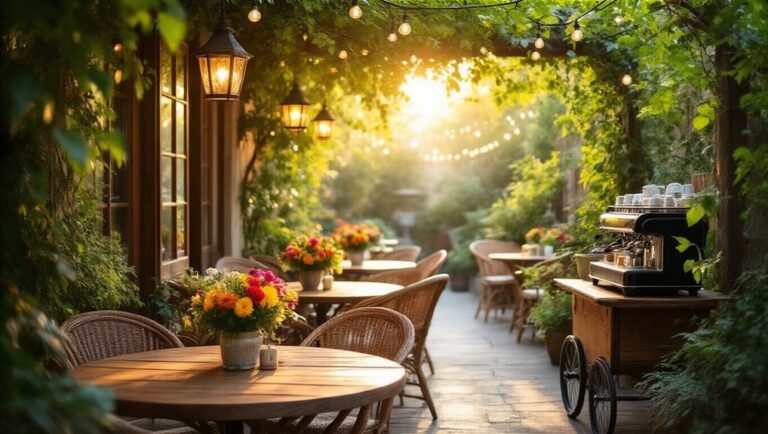
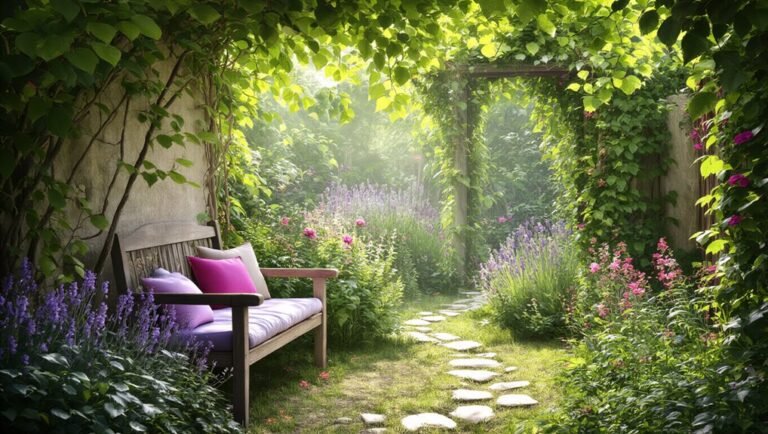
To create a beautiful outdoor area, start by choosing the right plants that suit your space, whether it’s sun or shade. Incorporate hardscapes like paths and patios to enhance functionality. Cozy outdoor seating areas invite relaxation and socializing, while water features add serenity. Don’t forget to design pathways that encourage flow and use lighting to set a welcoming mood. By mixing in edible landscaping elements and personal decor, you can truly transform your backyard. There’s more to explore!
Key Takeaways
- Choose plants suited to your environment, considering sunlight, soil type, and maintenance preferences for a vibrant, thriving garden.
- Incorporate hardscapes like pathways and patios to enhance functionality and create defined relaxation areas in your backyard.
- Create cozy outdoor seating areas with weather-resistant furniture, cushions, and ambient lighting to encourage relaxation and socialization.
- Add water features such as fountains or ponds to bring tranquility and attract wildlife, enhancing the overall atmosphere of your outdoor space.
- Personalize your outdoor decor with unique planters, garden art, and lighting elements to reflect your style and create a welcoming ambiance.
Choosing the Right Plants for Your Space
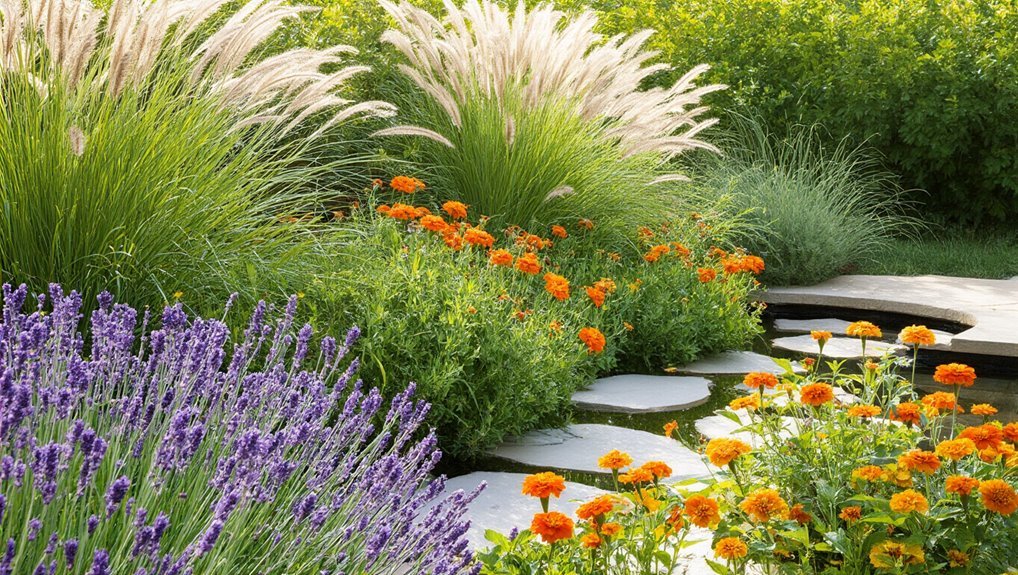
How do you choose the right plants for your space? Start by assessing your environment. Consider sunlight, soil type, and climate.
If your yard gets full sun, opt for sun-loving plants like lavender or coneflowers. For shaded areas, think about ferns or hostas. To support healthy plant growth, consider using plant fertilizer tablets to provide essential nutrients right at the root zone.
Next, evaluate your maintenance preferences. Do you want low-maintenance options, or are you ready to tend to a more demanding garden?
Additionally, mix textures and colors to create visual interest. Group plants with similar needs together to simplify care.
Finally, think about the overall design—do you want a formal look or a more natural feel?
You can also add unique beauty and flavor to your garden by planting edible flower seeds, which provide both ornamental value and culinary possibilities.
Incorporating Hardscapes for Functionality
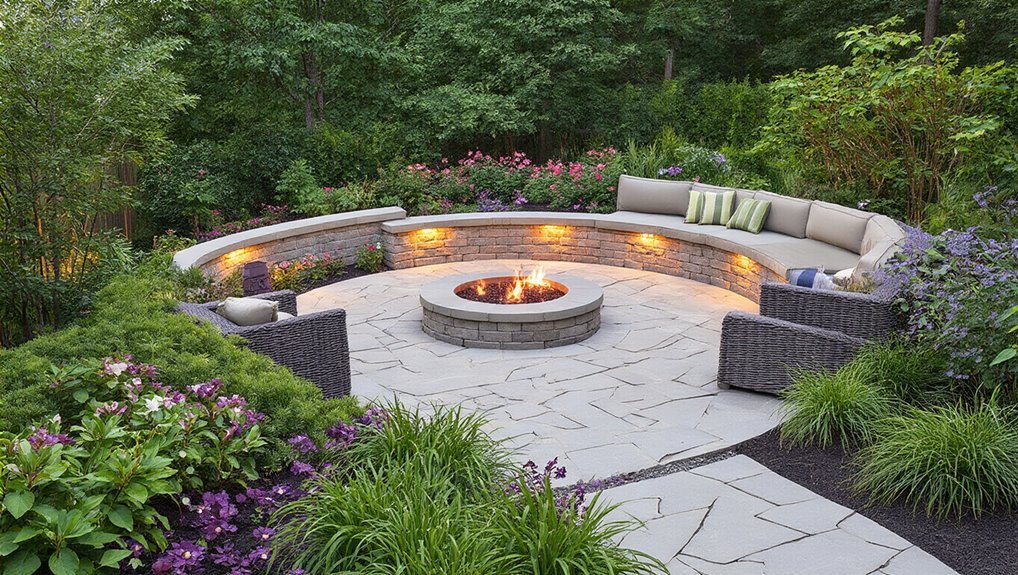
Choosing the right plants is just one part of creating an inviting outdoor space. Incorporating hardscapes can boost functionality and aesthetics, helping you define areas for relaxation or entertainment. Think about pathways, patios, and retaining walls. These elements not only enhance your landscape but also provide structure and practicality. For vertical interest and supporting climbing plants, garden trellises can be both decorative and functional. Consider adding garden arches to introduce visual interest and create a stunning focal point in your outdoor area.
Here’s a quick comparison of common hardscape materials to consider:
| Material | Benefits |
|---|---|
| Pavers | Durable and versatile |
| Gravel | Affordable and low-maintenance |
| Natural Stone | Unique and long-lasting |
| Concrete | Easy to install and customizable |
Creating Cozy Outdoor Seating Areas
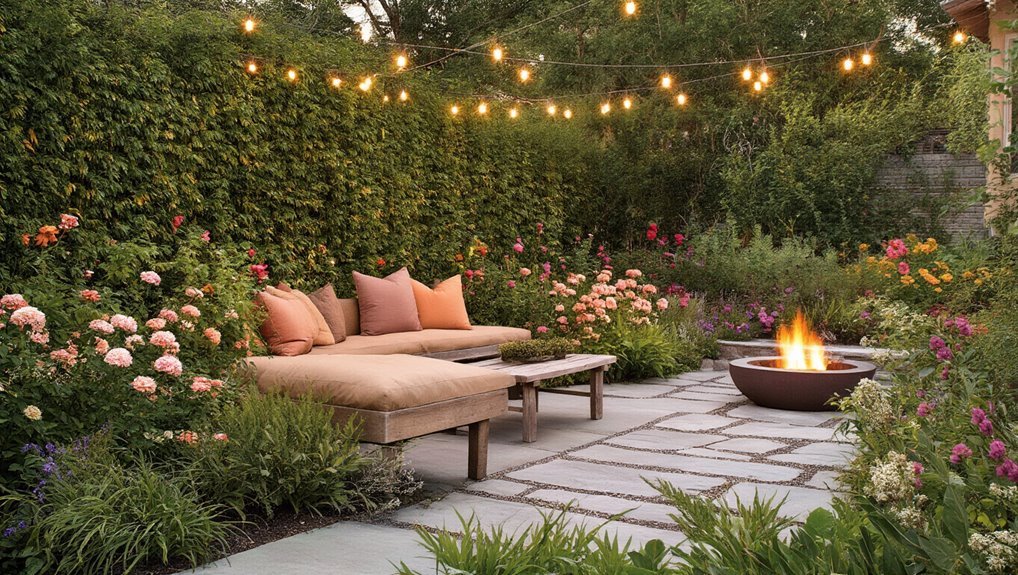
Start by choosing soft, weather-resistant cushions for your chairs and benches. Layer in throws for those cooler evenings, creating an inviting nook. Incorporate a mix of seating options—think chairs, lounges, or even a swing.
Position your seating to encourage conversation, perhaps around a fire pit or a low table. Add personality with decorative pillows or a stylish outdoor rug. You might also consider using shade elements like umbrellas or pergolas to create a cozy retreat. For a touch of greenery and vertical interest, consider decorating your space with beautiful hanging planters to elevate your outdoor area.
Finally, don’t forget about lighting; string lights or lanterns can transform your space into a magical evening escape. Your outdoor seating area will soon become a favorite spot for relaxation and connection. For a timeless and functional touch, consider adding outdoor garden benches to anchor your seating arrangement and enhance your landscape’s style.
Adding Water Features for Serenity
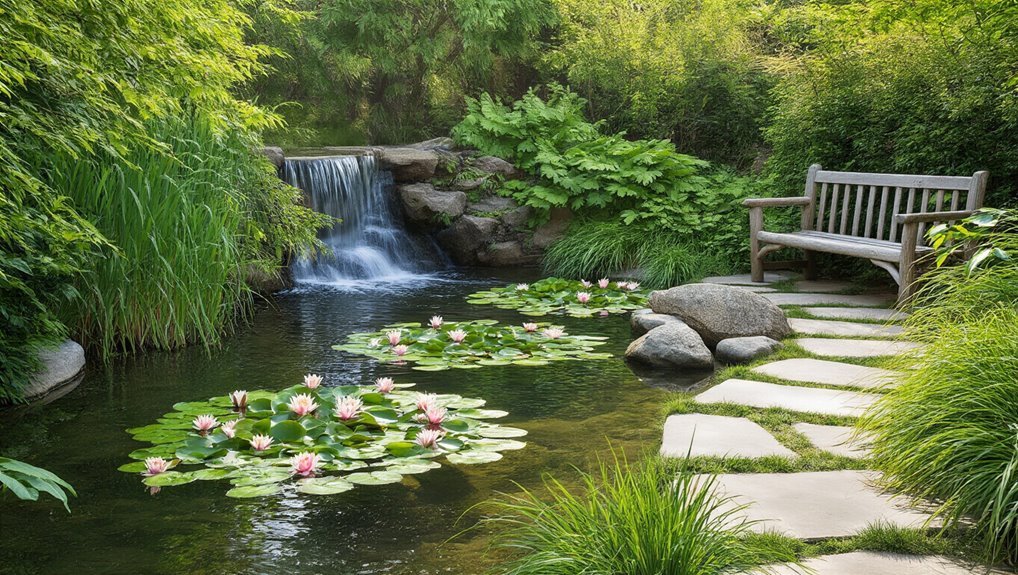
After creating a cozy seating area, consider enhancing your outdoor space with water features that add a sense of tranquility.
The soothing sound of flowing water can transform your backyard into a peaceful retreat. Integrating solar lighting solutions around your water features can highlight their beauty at night while being energy-efficient.
Here are some ideas to inspire you:
- Small Fountain: A tabletop or wall-mounted fountain provides a gentle sound and takes up minimal space.
- Pond: A small pond can attract wildlife and create a serene focal point, especially if you add aquatic plants.
- Birdbath: Not only does a birdbath provide water for birds, but it also adds a charming element to your garden.
- Waterfall: A cascading waterfall can be a stunning centerpiece, creating a relaxing ambiance as water flows over rocks.
Incorporating these features will elevate your outdoor experience. For an eco-friendly upgrade, consider solar-powered water features to enjoy the beauty and sound of water while reducing energy use.
Designing Pathways to Enhance Flow
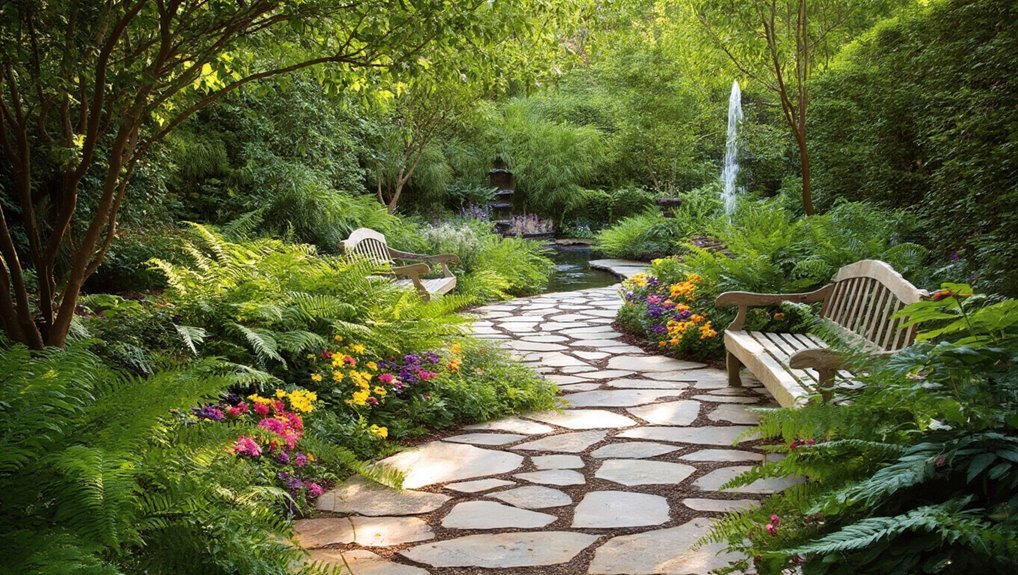
How can you create a seamless flow in your backyard? Start by designing pathways that guide visitors through your space.
Use materials like stone, gravel, or pavers to define the routes; these can add texture and visual interest. Consider the width of the paths—adequate space allows for easy movement and creates a welcoming atmosphere. Adding raised garden beds alongside your paths can help organize planting areas and elevate the overall look of your landscape.
Curved pathways can soften the landscape, drawing the eye and encouraging exploration. Incorporate natural elements, like planting beds or low shrubs, along the edges to enhance the environment.
Don’t forget to connect key areas—like seating zones, gardens, and water features—so guests feel invited to wander. A well-planned pathway not only beautifies but also enhances the overall flow of your outdoor area.
If you’re planning to grow tomatoes along your pathways, incorporating tomato cages can provide essential support and structure to your garden beds.
Utilizing Lighting to Set the Mood
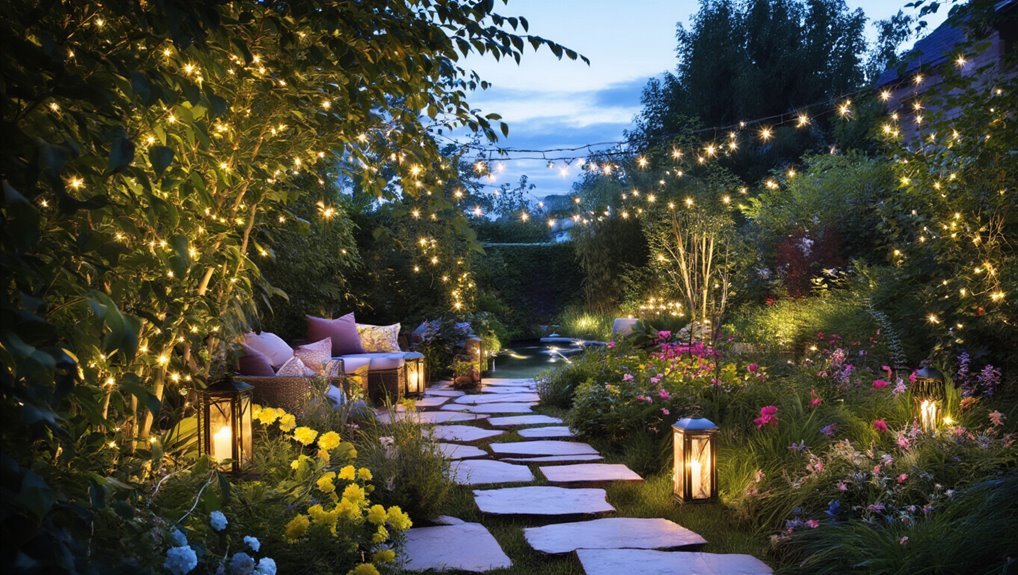
Pathways can guide your guests, but the right lighting adds a whole new dimension to your backyard.
Thoughtfully placed lights can create an inviting atmosphere and enhance your outdoor experience. Here are some ideas to help you set the mood: Adding bird feeders to your backyard sanctuary can also attract beautiful wildlife and complement your lighting choices.
- String Lights: Drape them across trees or along fences for a magical touch.
- Solar Path Lights: Install these along walkways to illuminate paths without the hassle of wiring.
- Spotlights: Use them to highlight key features like sculptures or plants, creating focal points.
- Lanterns: Place them on tables or hang them for a cozy, intimate setting.
For added functionality, consider incorporating outdoor thermometers to monitor the temperature and ensure comfort during any season.
Building Vertical Gardens for Limited Spaces
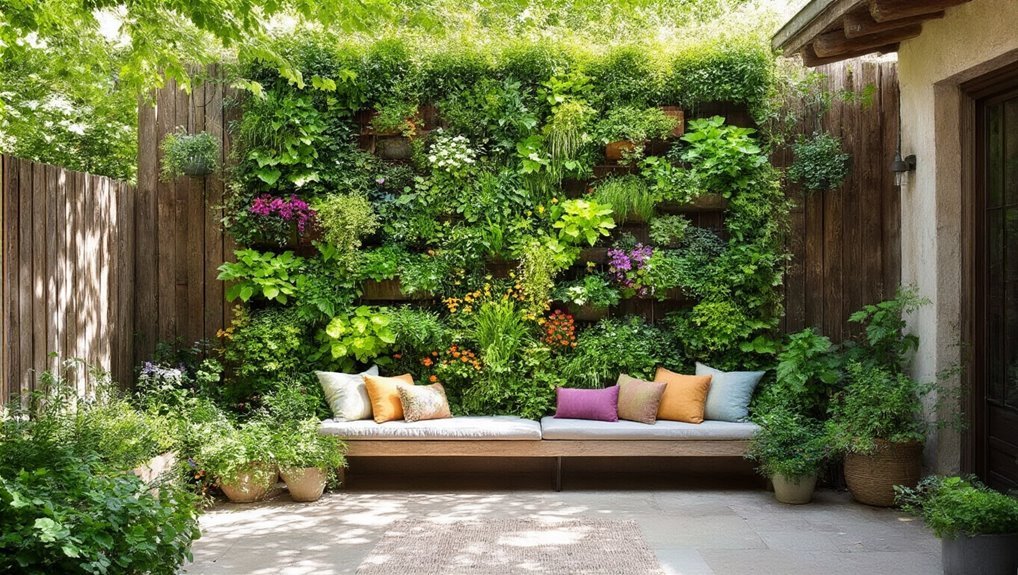
Limited space shouldn’t hinder your gardening dreams; vertical gardens offer a creative solution for maximizing your outdoor area. You can easily transform a bare wall or fence into a lush, green display.
Start with wall-mounted planters or shelves to hold your favorite plants. Choose lightweight containers that won’t overwhelm your structure. Climbing plants, such as ivy or jasmine, can add height and color, while herbs in pockets or grids can provide fresh scents and flavors. For those interested in homegrown flavors, herb garden kits with seeds and pots are a convenient way to start your own fresh herb collection in a vertical setup.
Make sure to consider sunlight and water access for each plant. With a little planning and creativity, you’ll create a stunning vertical garden that enhances your space and adds a vibrant touch to your backyard. For a hassle-free start, consider using Vertical Garden Kits designed to simplify installation and maintenance for any space.
Embrace this trend, and watch your garden flourish!
Incorporating Edible Landscaping Elements
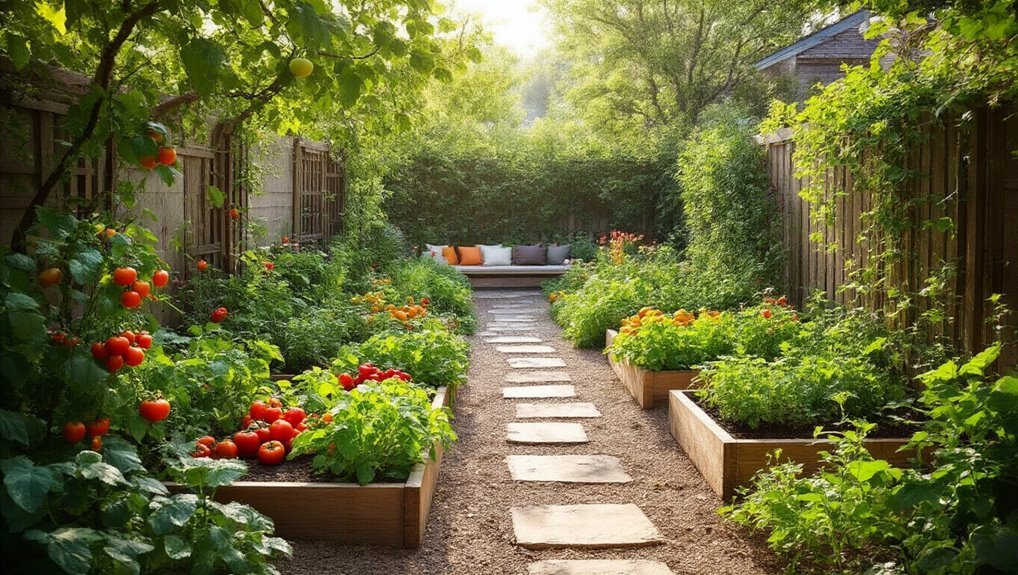
Incorporating edible landscaping elements not only beautifies your backyard but also provides fresh produce right at your fingertips.
You can create a stunning, functional space that delights the senses. Here are some ideas to get you started:
- Herb Spiral: Build a spiral garden to grow a variety of herbs, saving space while adding fragrance and flavor to your meals.
- Fruit Trees: Plant dwarf fruit trees for a charming focal point that yields delicious fruits for snacking or cooking. For the healthiest young trees and vegetables, consider starting your seeds indoors with a seed starting kit to ensure strong, resilient plants.
- Vegetable Beds: Design raised beds filled with colorful vegetables; they’re easy to maintain and visually appealing.
- Berry Bushes: Incorporate berry bushes along pathways to enjoy vibrant blooms and sweet treats throughout the season.
To help your edible plants thrive, consider nourishing them with the best plant food options available for healthy growth and abundant harvests.
Enjoy your beautiful and productive outdoor retreat!
Personalizing Your Outdoor Area With Decor
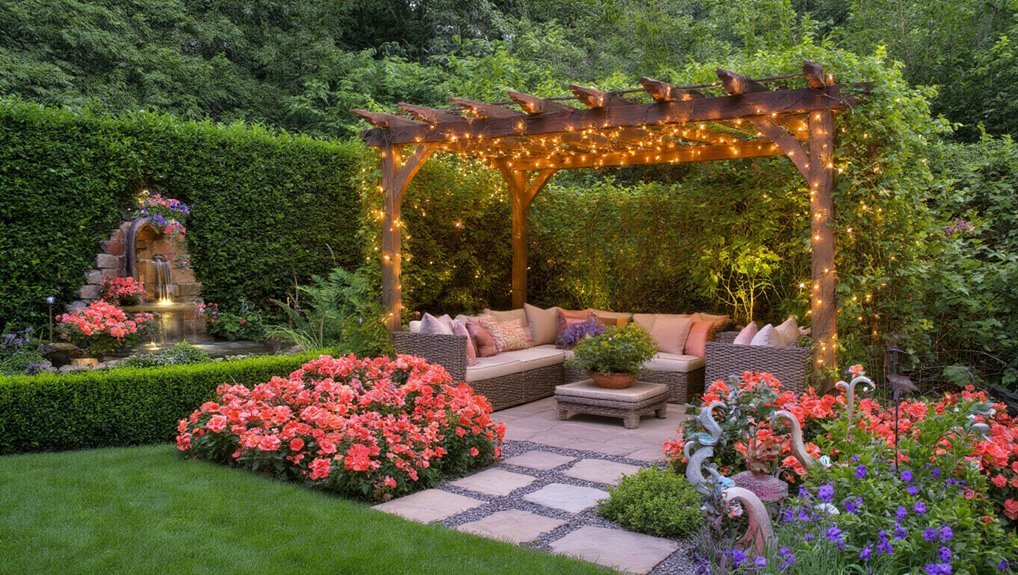
After you’ve created a vibrant edible landscape, it’s time to make your outdoor space truly yours with personalized decor.
Start by selecting outdoor furniture that reflects your style—think cozy chairs, colorful cushions, or a rustic dining table. Incorporate unique planters or garden art that showcase your personality. You can also hang fairy lights or lanterns for a warm, inviting ambiance in the evenings.
Consider adding a focal point like a water feature or a fire pit to enhance the atmosphere.
Don’t forget to include personal touches such as family photos in weather-resistant frames or handmade signs that express your interests.
Frequently Asked Questions
How Do I Choose the Right Soil for My Plants?
To choose the right soil for your plants, consider their specific needs. Test the pH, drainage, and nutrient content. You’ll want a mix that promotes healthy growth and suits your plants’ requirements for optimal success.
What Is the Best Time of Year for Landscaping Projects?
Landscaping projects are like painting a masterpiece; timing matters. You’ll find spring and fall are ideal seasons, as temperatures are mild, rain is plentiful, and plants thrive, ensuring your efforts flourish beautifully throughout the year.
How Can I Maintain My Landscaping Throughout the Seasons?
To maintain your landscaping throughout the seasons, regularly water, mulch, and prune plants. Monitor for pests and diseases, and adjust your care routine as needed. Seasonal clean-ups and fertilization will keep everything thriving year-round.
Are There Any Landscaping Ideas for Small Budgets?
Absolutely! You can create a charming space on a budget by using native plants, repurposing materials, or starting with a simple garden bed. DIY projects like mulch paths and container gardens can also add flair without breaking the bank.
How Do I Protect My Plants From Pests and Diseases?
When it comes to protecting your plants from pests and diseases, an ounce of prevention’s worth a pound of cure. Regularly inspect your plants, use organic pesticides, and maintain healthy soil to keep them thriving.
Conclusion
By thoughtfully combining plants, hardscapes, and cozy seating, you can transform your backyard into a stunning retreat. You might think it’s too much work, but remember, even small changes can make a big impact. Embrace creativity with water features and lighting, and don’t shy away from adding edible elements for both beauty and utility. Personalizing your space with decor will truly reflect your style. So, roll up your sleeves and enjoy the rewarding journey of creating your outdoor oasis!