Transforming your yard into a stunning flower garden is all about choosing the right blooms that thrive in your local climate. Design colorful flower beds with a mix of perennials and annuals for year-round beauty. Incorporate vertical gardening techniques, use native plants to attract pollinators, and add unique features like decorative trellises or whimsical statues. By blending these elements, you’ll create a vibrant and inviting space. Continue on to explore more creative ideas and tips for your garden!
Key Takeaways
- Select a harmonious color palette with complementary colors to create a visually appealing flower bed in your yard.
- Incorporate a mix of perennials and annuals for continuous blooms throughout the seasons, ensuring year-round beauty.
- Use vertical gardening techniques like trellises and wall-mounted planters to maximize space and add height to your garden.
- Create a pollinator-friendly environment by planting native flowers and providing water sources to attract bees and butterflies.
- Enhance your garden with unique features such as statues, pathways, and water elements to personalize and beautify the outdoor space.
Selecting the Right Flowers for Your Garden

When choosing flowers for your garden, how do you know which ones will thrive? Start by considering your local climate and soil type. Research native plants; they’re adapted to your environment and often require less maintenance.
Check the sun and shade patterns in your yard. Some flowers love full sun, while others prefer partial shade. You can also add insect repellent plants to your garden, such as citronella, to help naturally keep pests away.
Think about the growing season, too. Some flowers bloom in spring, while others shine in summer or fall. Mix perennials with annuals for continuous color.
Don’t forget to consider the height and spread of each plant; you’ll want a balanced arrangement.
Lastly, take your personal preferences into account—choose flowers that resonate with you, whether it’s for their fragrance, color, or shape.
You might also explore edible flower seeds as a unique way to add both beauty and functionality to your garden.
Happy planting!
Designing a Colorful Flower Bed
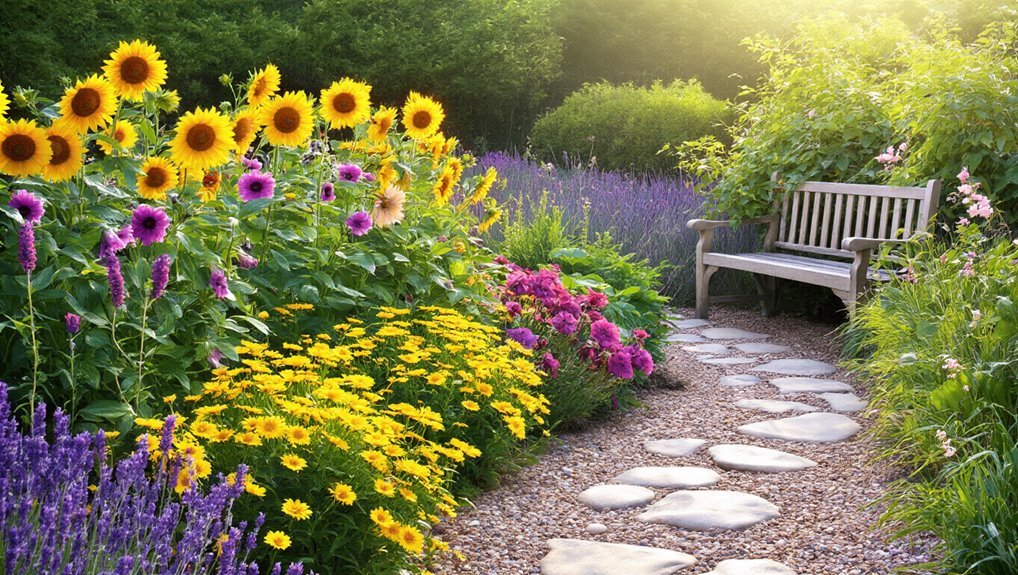
To create a vibrant flower bed that catches the eye, start by choosing a harmonious color palette.
Think about combining complementary colors like purples and yellows or warm hues like reds and oranges for a striking effect.
Next, consider the height and texture of your flowers. Plant taller varieties at the back and shorter ones in the front to create depth. When planting, using essential garden tools like trowels can make it easier to dig precise holes and position your flowers properly.
Mixing perennials and annuals can ensure continuous bloom throughout the seasons.
Don’t forget to incorporate varying leaf shapes and sizes for added interest.
To finish, add mulch around your plants to retain moisture and suppress weeds.
For the healthiest blooms, choosing the best garden soil ensures your plants thrive with the right nutrients and structure.
A well-designed flower bed not only enhances your yard but also brings joy and beauty to your outdoor space.
Enjoy the process!
Incorporating Vertical Gardening Techniques
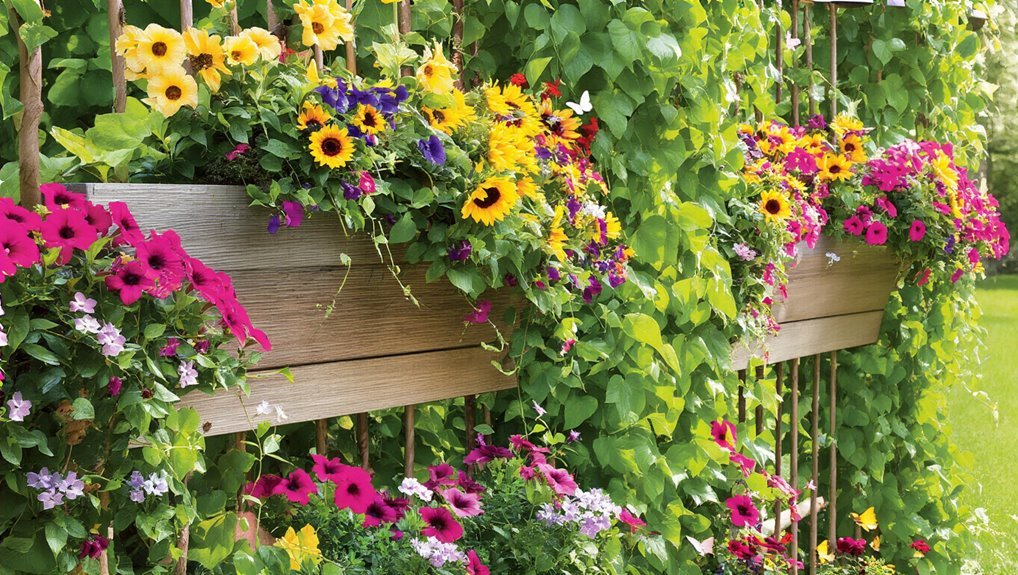
If you’re looking to maximize your gardening space, incorporating vertical gardening techniques can transform your outdoor area into a lush oasis.
Start by using trellises, which can support climbing plants like beans and peas, adding height and interest to your garden. With the addition of beautiful trellises, you can not only support your plants but also enhance the overall aesthetic of your garden.
Wall-mounted planters are another great option; they allow you to grow herbs and flowers without taking up valuable ground space.
Consider repurposing pallets or creating a living wall with various plants to create a stunning focal point.
Don’t forget to choose the right plants for vertical gardening; opt for those with trailing or climbing habits.
With a bit of creativity, you can turn any small space into a vibrant vertical paradise that enhances your overall garden design.
For a simple and effective way to get started, consider using vertical garden kits designed to make vertical gardening accessible to everyone.
Creating a Pollinator-Friendly Space

Adding vertical elements to your garden not only optimizes space but can also attract vital pollinators. You can further protect your climbing plants and delicate blooms by using garden netting to keep pests out while allowing pollinators easy access.
Consider incorporating climbing plants, such as clematis or honeysuckle, which provide both beauty and nectar. Create small nooks with native flowers like coneflowers and black-eyed Susans, as these are favorites among bees and butterflies. Ensure you have a variety of colors and shapes to draw in different species.
Avoid using pesticides, as they can harm these helpful creatures. Instead, encourage a natural ecosystem by adding native plants that thrive in your area.
Lastly, provide shallow water sources, like birdbaths or small dishes, to offer hydration. To make your space even more inviting for wildlife, consider installing essential bird feeders so birds can find nourishment throughout the year. By making these simple changes, you’ll create a vibrant, pollinator-friendly space in your garden.
Adding Unique Garden Features
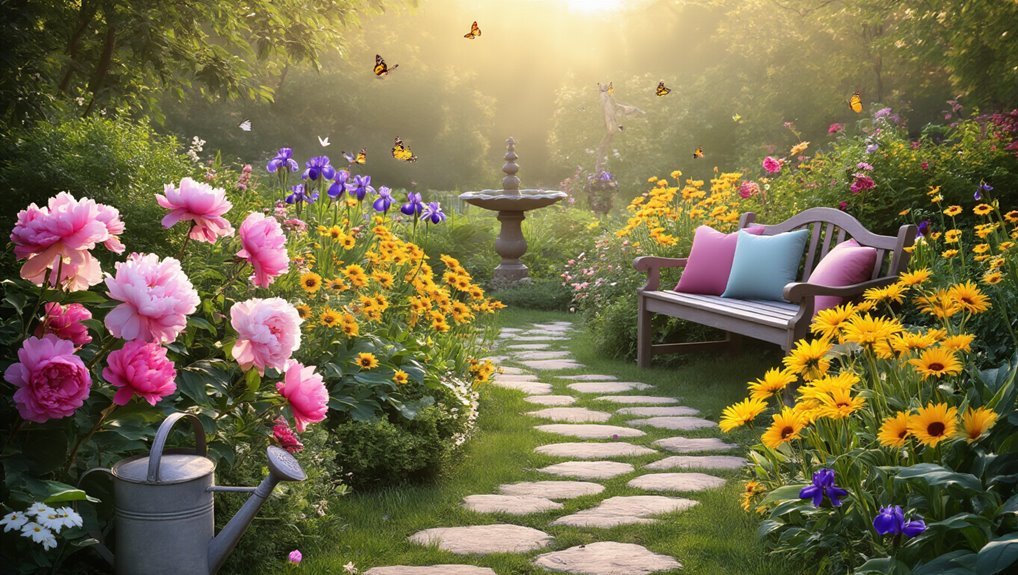
While you might think of flowers as the main attraction in your garden, unique features can elevate its charm and create focal points that draw the eye.
Consider adding a whimsical garden statue, a birdbath, or a decorative trellis to enhance your space. These elements not only provide visual interest but also invite wildlife, enriching your garden’s ecosystem. For example, decorative birdhouses for gardens can attract feathered friends while adding a charming detail to your outdoor decor.
You might also think about incorporating pathways made of stones or mulch, guiding visitors through your floral haven.
A stunning water feature, like a small pond or fountain, can add calming sounds and attract birds.
Lastly, don’t underestimate the impact of garden lighting—string lights or lanterns can transform your garden into a magical retreat as evening falls.
For those looking to add a distinctive touch, beautiful garden statues are available for sale and can serve as striking centerpieces that personalize your outdoor space.
Maintaining Your Flower Garden for Year-Round Beauty
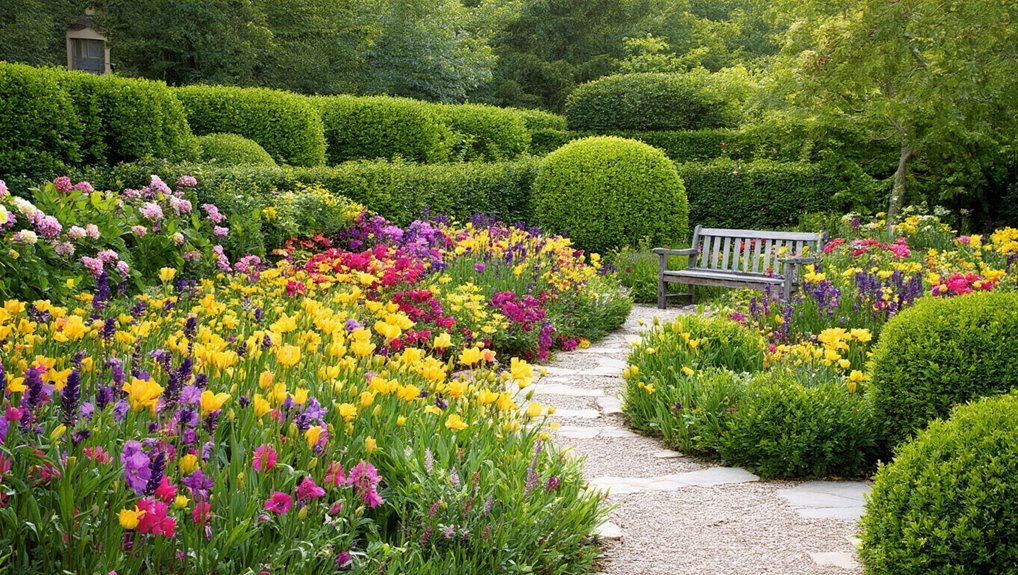
To maintain your flower garden’s beauty year-round, it’s essential to adopt a proactive approach to care and upkeep.
Regular maintenance not only keeps your garden looking great but also promotes healthy growth. Here are some key tips to follow:
- Water consistently: Ensure your flowers get enough hydration, especially during dry spells. Early morning is the best time for watering.
- Prune and deadhead: Regularly remove spent blooms and trim overgrown plants to encourage new growth and extend blooming periods.
- Mulch effectively: Apply a layer of mulch to conserve moisture, suppress weeds, and regulate soil temperature. For best results, consider using organic mulching materials like straw, which naturally enhance soil quality and protect your plants throughout the seasons.
Using mulch in your garden not only enhances the soil’s ability to retain moisture and control weeds, but also improves the overall health and appearance of your flower beds.
Frequently Asked Questions
What Flowers Are Best for Low-Maintenance Gardens?
Imagine vibrant blooms without the fuss. For low-maintenance gardens, consider hardy perennials like lavender, sedum, and daylilies. They thrive with minimal care, offering beauty that brightens your space while you enjoy your time outdoors.
How Do I Choose Flowers for Shady Areas?
To choose flowers for shady areas, look for shade-tolerant varieties like hostas, ferns, or astilbes. Consider your climate and soil type, and ensure proper spacing for air circulation and healthy growth. You’ll create a lovely oasis!
When Is the Best Time to Plant Flowers?
The best time to plant flowers usually depends on your climate. Generally, spring is ideal for most varieties, while fall works well for perennials. Check local frost dates to ensure your flowers thrive.
Can I Mix Perennials and Annuals in My Garden?
Imagine vibrant blooms dancing in the breeze. You can absolutely mix perennials and annuals in your garden, creating a tapestry of colors and textures. Just ensure they share similar sunlight and water needs for a thriving display.
What Tools Do I Need for Flower Gardening?
For flower gardening, you’ll need essential tools like a trowel, pruners, gloves, a rake, and a watering can. These tools help you plant, maintain, and nurture your flowers, ensuring a vibrant and healthy garden.
Conclusion
As you nurture your flower garden, think of it as a vibrant tapestry, each bloom a thread woven into a masterpiece. You’ve selected the colors, arranged the designs, and welcomed the buzzing friends that bring your garden to life. Just like a painter perfecting their canvas, you’ll find joy in maintaining this living artwork. With each season, your garden transforms, reminding you that beauty is a journey, not just a destination. Embrace the magic, and let your creativity blossom!


