Understanding your garden zone is crucial for picking plants that thrive in your local climate. Start by checking the USDA Plant Hardiness Zone Map to find your zone based on average annual minimum temperatures. Consider local factors like humidity and microclimates when selecting plants. Choose native varieties suited to your zone for the best results. Learn about top plants for your specific area, and you’ll set your garden up for success with the right choices ahead.
Key Takeaways
- Check the USDA Plant Hardiness Zone Map to determine your region’s average minimum temperatures for plant suitability.
- Consider local climate factors like humidity, rainfall, and elevation to select the best plants for your garden.
- Observe microclimates in your yard, as conditions can vary significantly near buildings or trees, affecting plant growth.
- Choose native plants for your zone, as they are well-adapted to local climates and soil conditions.
- Test your soil and know frost dates to time planting and select plants that thrive in your specific conditions.
How to Determine Your Garden Zone?
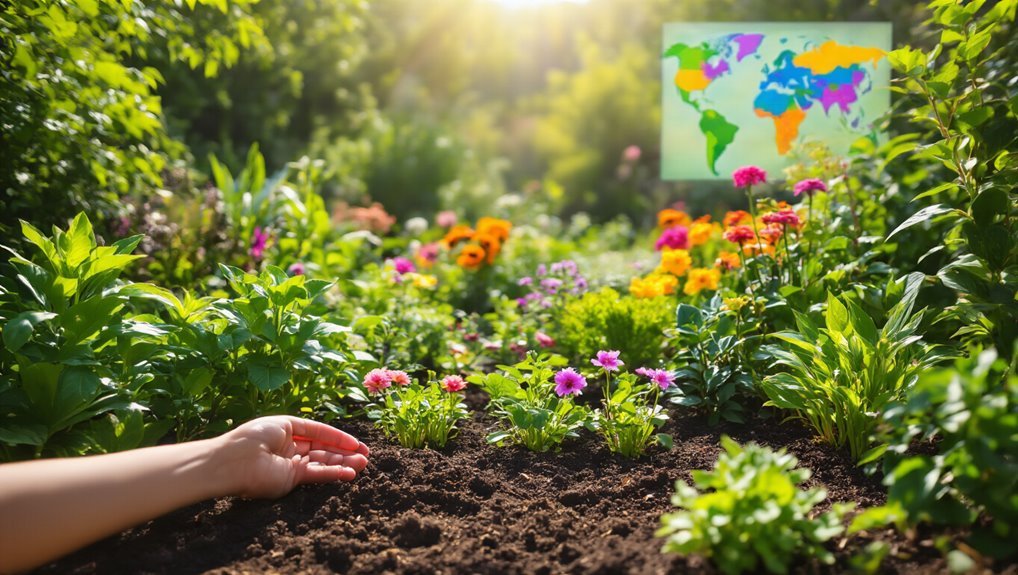
How can you accurately determine your garden zone? Start by checking the USDA Plant Hardiness Zone Map, which divides the U.S. into zones based on average annual minimum temperatures. You can find interactive versions online that let you input your zip code for precise results.
Next, consider your local climate, including factors like humidity, rainfall, and elevation. Don’t forget about microclimates in your yard; areas near buildings or trees may have different conditions.
Finally, reach out to local gardening clubs or extension services for community insights. They can provide valuable information about what thrives in your area.
What Are Garden Zones and Why Do They Matter?
Understanding garden zones is key to successful gardening. These zones, often defined by USDA hardiness ratings, indicate the average minimum temperatures in your area. They help you determine which plants will thrive based on climate conditions.
When you know your garden zone, you can choose plants that are well-suited to your environment, reducing the risk of plant failure.
Garden zones also consider factors like frost dates and growing seasons, giving you a clearer picture of what to plant and when. By aligning your choices with these zones, you’ll enhance your garden’s health and productivity.
Simply put, knowing your garden zone empowers you to cultivate a flourishing space that’s both beautiful and sustainable.
Understanding Key Climatic Factors for Your Garden Zone
While you might think gardening is all about choosing the right plants, key climatic factors play a crucial role in your garden’s success. Understanding your garden zone’s temperature patterns, rainfall, humidity, and sunlight can significantly impact plant growth.
For instance, knowing the average frost dates helps you determine when to plant. Also, consider rainfall levels; too much or too little can stress your plants. Humidity affects moisture retention in the soil, influencing your watering schedule.
Sunlight exposure varies throughout the day, impacting which plants will thrive. By paying attention to these factors, you can create a more resilient garden that flourishes in your unique environment. Knowing your climate means you’ll be better equipped to nurture your garden effectively.
Top Plants That Will Thrive in Your Garden Zone
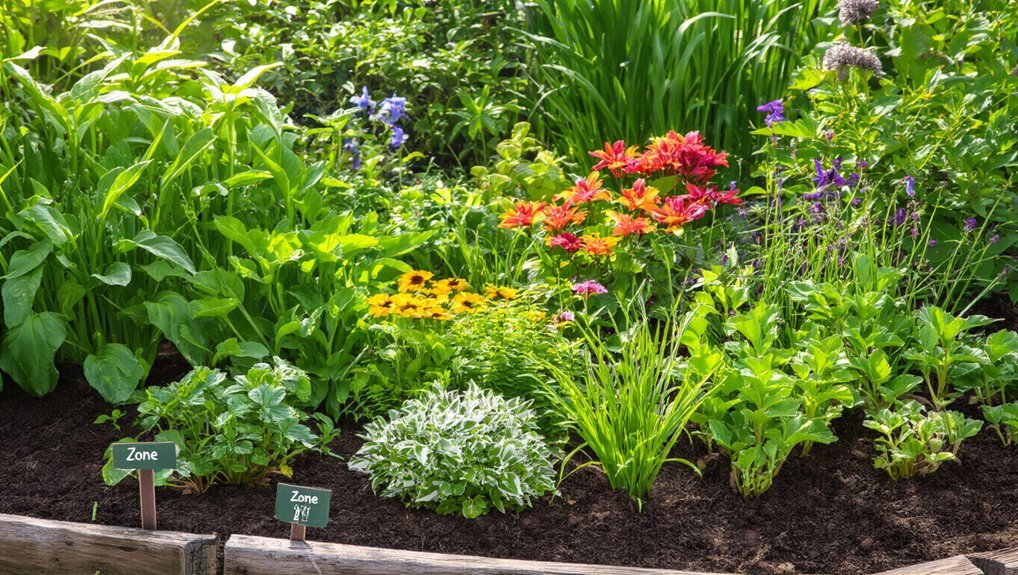
Choosing the right plants for your garden zone can make all the difference in ensuring a thriving landscape.
First, consider native plants; they’re adapted to your local climate and soil, making them easier to grow.
For warmer zones, vibrant perennials like coneflowers and black-eyed Susans will flourish.
In cooler climates, opt for hardy varieties such as daylilies and hostas.
If you live in a dry area, succulents and ornamental grasses can add texture and color while conserving water.
For regions with high humidity, tropical plants like hibiscus and ferns will thrive.
Always check your specific zone’s requirements, and you’ll find the perfect plants to create a beautiful, sustainable garden that flourishes year after year.
Tips for Gardening Success in Your Zone
To ensure gardening success in your zone, it’s essential to pay attention to local climate conditions and soil types. Start by testing your soil to understand its pH and nutrient levels; this helps you choose the right plants.
Consider seasonal changes—know your last frost date and when to plant accordingly. Watering is crucial; establish a routine but avoid overwatering, as it can lead to root rot.
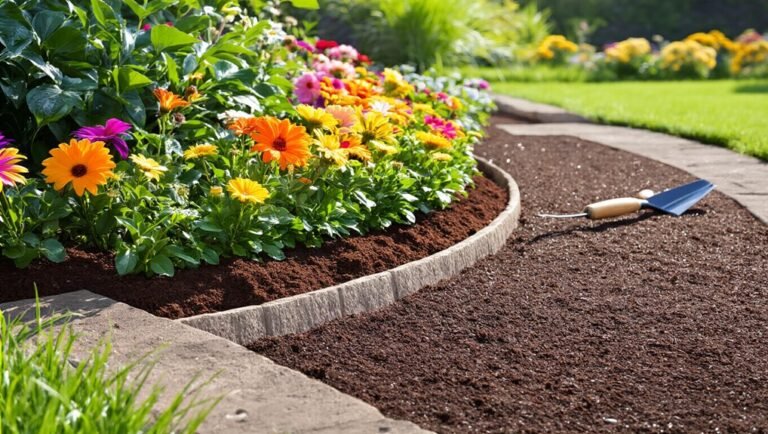
Mulching helps retain moisture and suppress weeds, making your garden easier to maintain. Lastly, observe your plants regularly for signs of pests or diseases, and act quickly if you spot any issues.
Common Mistakes to Avoid When Choosing Plants
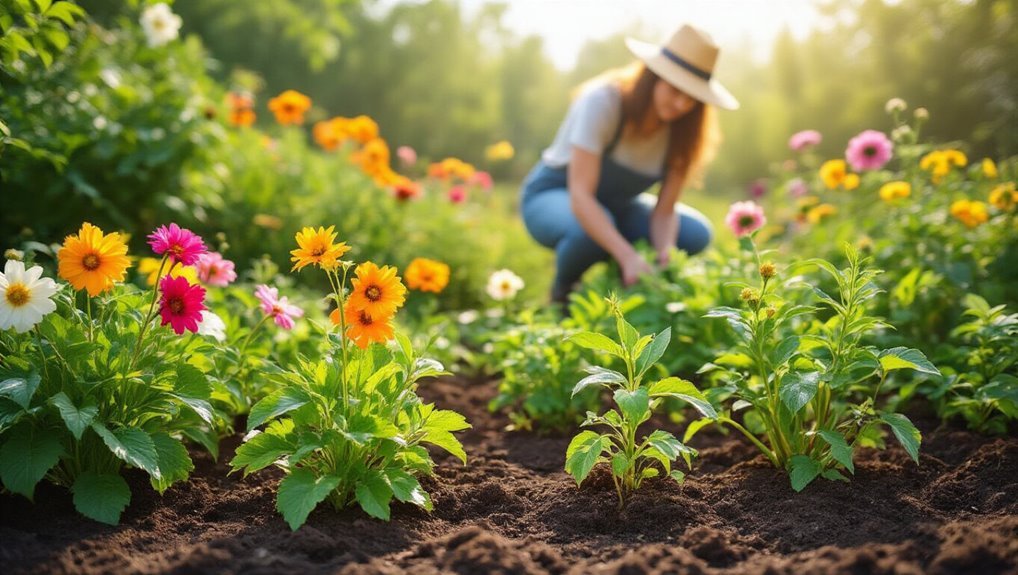
One of the biggest pitfalls in gardening is selecting plants that aren’t suited for your specific zone. You might be tempted by a beautiful flower or lush shrub, but if it can’t thrive in your climate, you’ll end up disappointed.
Another common mistake is neglecting the amount of sunlight your garden receives. Some plants require full sun, while others prefer shade, so always check their needs before planting.
Overwatering is also a frequent error; many gardeners think more is better, but this can lead to root rot.
Finally, don’t forget to consider the mature size of your plants. Crowding them can stifle growth and lead to poor air circulation. Choose wisely to ensure your garden flourishes!
Frequently Asked Questions
How Do Garden Zones Impact Local Wildlife and Ecosystems?
Garden zones shape local wildlife and ecosystems by influencing plant diversity. You’ll find that specific zones support particular species, affecting food sources and habitats, which ultimately helps maintain balanced ecosystems and healthy wildlife populations.
Can I Grow Non-Native Plants in My Garden Zone?
Yes, you can grow non-native plants in your garden zone, but consider their impact. They might thrive, attract unique wildlife, or disrupt local ecosystems. Balance beauty and biodiversity to create a thriving garden environment.
What Is the Best Time to Plant in My Zone?
The best time to plant in your zone depends on your region’s climate. Generally, spring is ideal for most plants, while fall works well for certain perennials. Always check specific planting dates for your area.
How Do I Adjust My Garden Zone for Microclimates?
“Where there’s a will, there’s a way.” To adjust for microclimates, observe temperature variations and moisture levels in your garden. Choose plants that thrive in those specific conditions, ensuring a vibrant and flourishing garden.
Are There Resources to Help Identify My Specific Garden Zone?
Yes, you can use online tools like the USDA Plant Hardiness Zone Map or local gardening websites. These resources help you identify your specific garden zone and tailor your plant choices to your area’s climate.
Conclusion
In conclusion, knowing your garden zone is crucial for selecting the right plants and ensuring a thriving garden. By understanding your zone and the climate factors at play, you can make informed choices that lead to success. So, why settle for struggling plants when you can create a vibrant garden tailored to your region? Embrace the knowledge of your garden zone, and watch your green space flourish like never before! Happy gardening!