To start your houseplant journey, focus on light, soil, and watering. Ensure your plants get the right light—too little and they’ll stretch; too much, and they’ll scorch. Selecting well-draining potting soil is crucial, and maintaining the right moisture level will prevent root rot. Don’t forget humidity and temperature needs, along with regular pruning. Watch for pests and know when it’s time to repot. Stick around to discover more valuable tips for thriving plants!
Key Takeaways
- Understand your plant’s light and temperature needs to ensure proper growth and avoid stress.
- Choose the right potting soil for drainage and moisture retention based on plant type.
- Monitor watering habits closely to prevent overwatering and underwatering issues.
- Maintain humidity levels and regularly prune plants for optimal health and growth.
- Inspect for pests frequently and use organic solutions for effective management.
Understanding Light Requirements
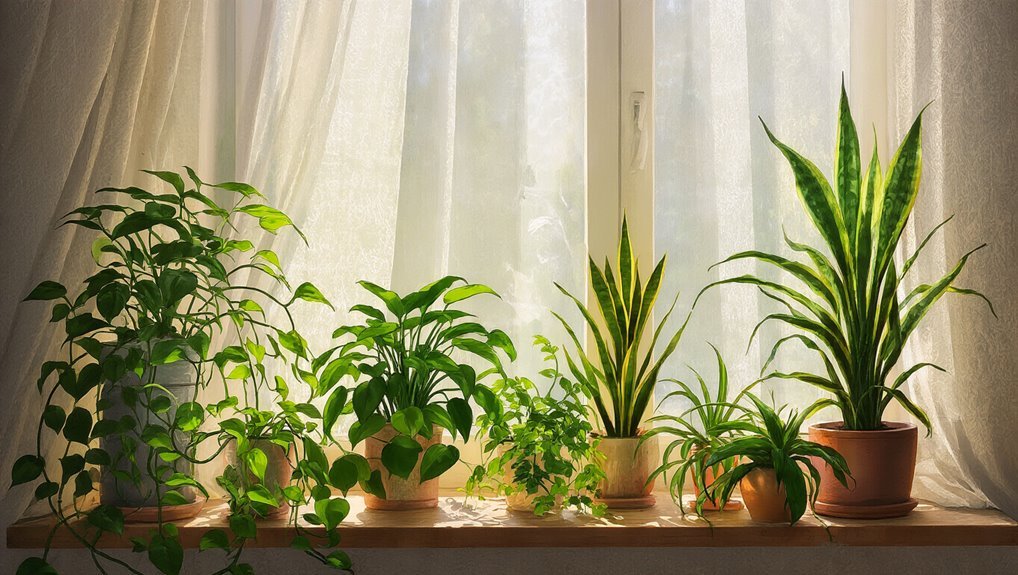
When it comes to houseplants, understanding their light requirements is crucial for keeping them healthy and thriving. Each plant species has specific needs, ranging from low to bright light.
Start by observing the natural light in your home; south-facing windows typically offer the most light, while north-facing ones provide the least. If you notice your plants stretching or leaning toward a light source, they may need more light. For gardeners interested in starting plants from seeds, using seed starting kits can make it easier to provide optimal conditions, including controlled light environments.
Conversely, if the leaves start to yellow or scorch, they might be getting too much. Utilize sheer curtains or move your plants further away from direct sunlight to create the right balance.
If you’re interested in growing herbs indoors, indoor herb gardens are a great way to enjoy fresh flavors while learning about different light requirements for various plant species.
Choosing the Right Soil
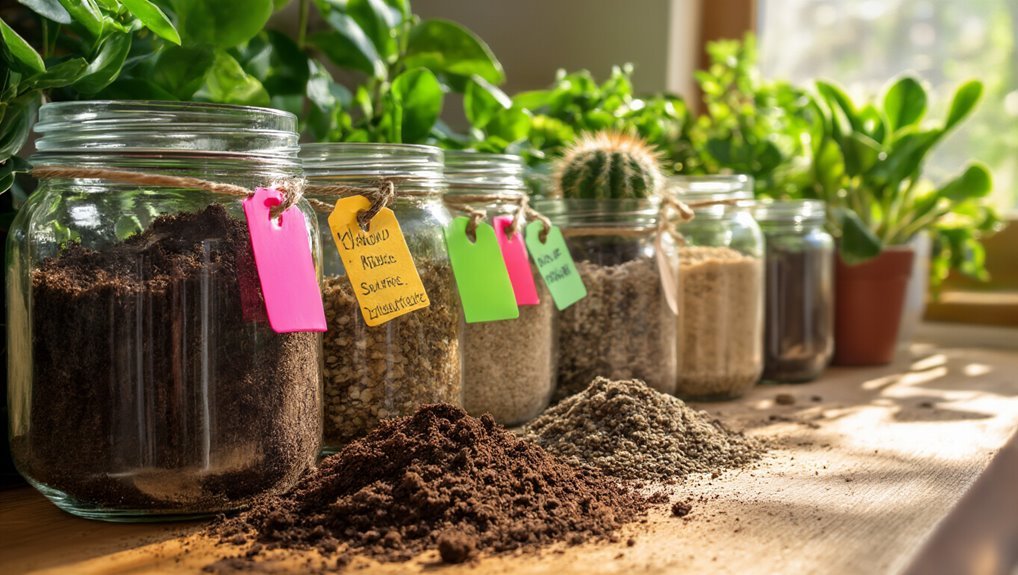
Selecting the right soil is essential for your houseplants’ growth and overall health. Not all soil is created equal, so it’s important to choose a mix tailored to your plant’s specific needs.
Look for potting soil that offers good drainage, aeration, and moisture retention. For tropical plants, a mix with peat moss and perlite works wonders, while succulents thrive in a gritty, well-draining blend. To further boost your plant’s development, consider supplementing with plant food to ensure optimal nourishment.
Always check for any added nutrients or fertilizers, as these can support your plant’s initial growth. If you’re potting a plant, consider repotting it into fresh soil every couple of years to replenish nutrients.
For the healthiest and most vibrant plants, starting with the best garden soil can make a significant difference in their ability to thrive and grow robustly.
Watering Basics
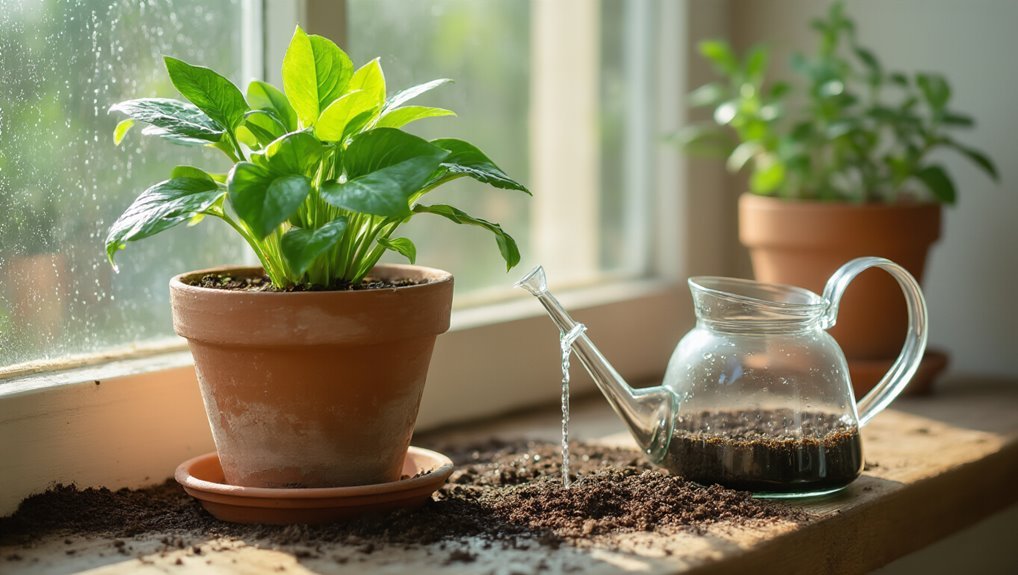
Watering your houseplants is crucial for their health, and understanding the basics can make all the difference. Each plant has its unique needs, so getting to know them is essential. Overwatering can lead to root rot, while underwatering can cause wilting. One helpful tool for maintaining consistent moisture is using Plant Watering Globes, which can help regulate water delivery to your houseplants. Many gardeners also rely on wicking systems for an effortless and consistent approach to plant care.
Here’s a quick reference to help you gauge your watering approach:
| Signs of Underwatering | Signs of Overwatering |
|---|---|
| Droopy leaves | Yellowing leaves |
| Dry soil | Mushy roots |
| Leaf edges browning | Mold on the soil surface |
| Stunted growth | Foul smell from soil |
Humidity and Temperature Needs
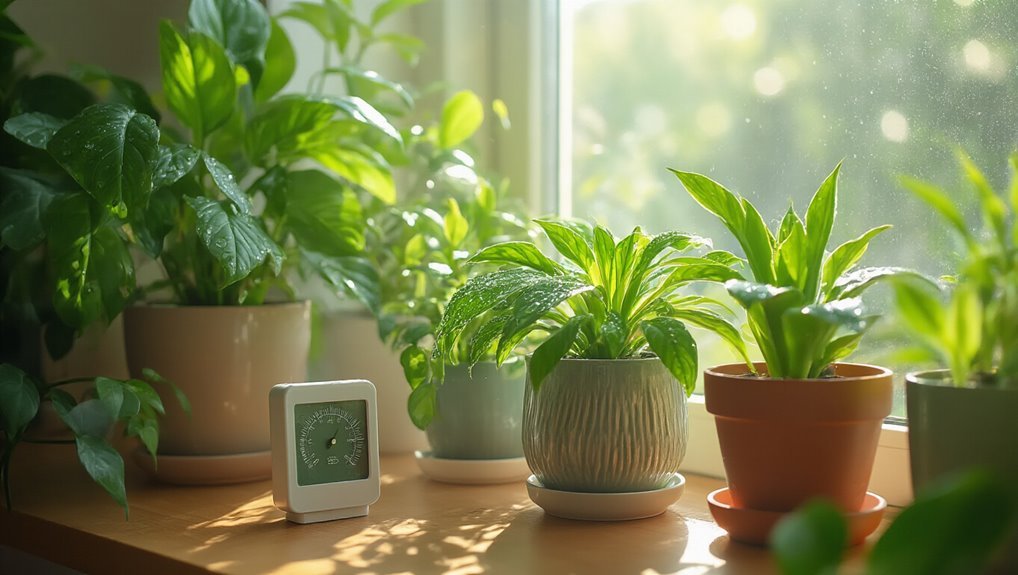
To ensure your houseplants thrive, it’s essential to consider their humidity and temperature needs. Different plants have varying requirements, and meeting these will help them flourish. For gardeners looking to optimize plant health, using grow bags can improve air circulation and root development, supporting better growth indoors. Here are some key points to keep in mind:
- Most tropical plants prefer humidity levels between 50-70%.
- Dry air can lead to brown leaf tips and stunted growth.
- Temperature ranges between 60-75°F are ideal for many houseplants.
- Avoid placing plants near drafts, heaters, or air conditioning vents.
- Regularly monitor humidity levels using a hygrometer.
For succulents and similar plants, using plant care kits specifically designed for their unique needs can help maintain optimal growing conditions.
Selecting the Best Houseplants for Beginners
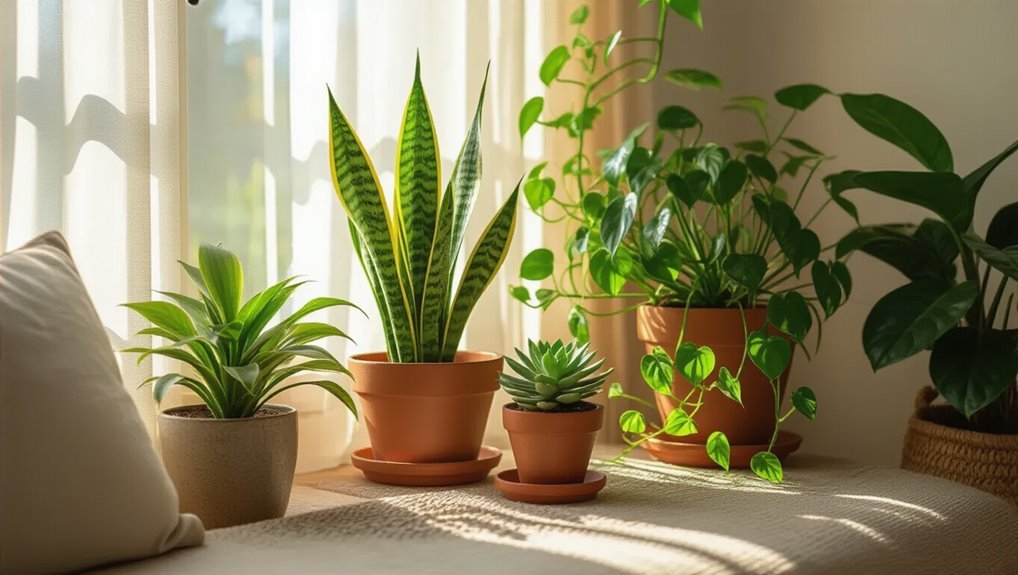
What makes a houseplant perfect for beginners? It’s all about low maintenance, adaptability, and resilience.
Look for plants that thrive in a range of conditions, like pothos, snake plants, and ZZ plants. These varieties tolerate neglect and can survive in various light levels, from low to bright indirect light. For those interested in expanding their collection, a plant propagation station can help you easily root cuttings and grow new plants.
They also require infrequent watering, allowing you to ease into plant care without constant worry.
When selecting, consider your space and lifestyle; if you travel often, choose hardier types. Avoid overly fussy plants that need precise care.
Finally, make sure to inspect plants for pests or signs of distress before bringing them home.
If you’re interested in expanding your indoor greenery, consider starting with Herb Garden Kits with Seeds and Pots to easily grow fresh herbs alongside your houseplants.
With the right choice, you’ll enjoy the beauty of houseplants without the stress.
Fertilizing Your Plants
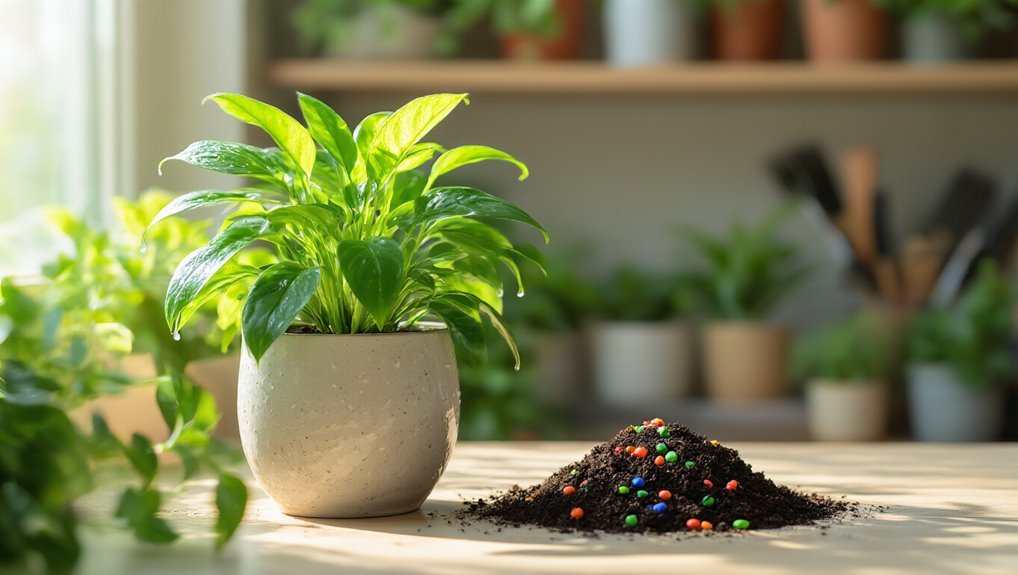
Fertilizing your houseplants can make all the difference in their growth and overall health. To keep your plants thriving, follow these simple guidelines:
- Choose the right fertilizer: Look for one that matches your plant’s specific needs.
- Read the labels: Understand the N-P-K ratio to find the right nutrient balance.
- Fertilize during the growing season: Most plants benefit from feeding in spring and summer.
- Dilute the fertilizer: Always mix it with water to prevent root burn. For even and accurate application outdoors, consider using a fertilizer spreader to distribute plant food efficiently across your garden.
- Observe your plants: If they show signs of stress or yellowing, adjust your fertilizing routine.
For a convenient and effective way to boost your indoor garden, consider using Plant Fertilizer Tablets, which are specially designed to provide essential nutrients directly to your plants’ roots.
Common Pests and How to Deal With Them
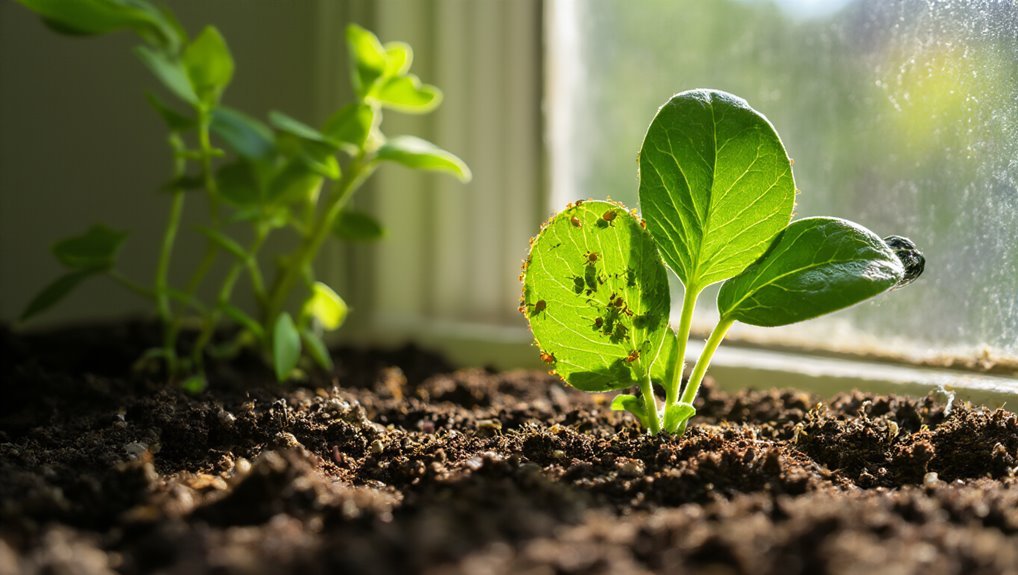
Healthy plants can still fall victim to pests, which can undermine all your hard work. Common pests like spider mites, aphids, and mealybugs can invade your greenery, siphoning off nutrients and leaving damage in their wake.
To tackle these nuisances, start by inspecting your plants regularly. If you spot pests, isolate the affected plant to prevent spreading. For a natural remedy, mix water with a few drops of dish soap and spray the infested areas. Alternatively, you can use neem oil or insecticidal soap for more stubborn infestations. Always follow the product instructions carefully. Many gardeners have success using organic pest control solutions as a safe and eco-friendly way to protect their houseplants.
For even more effective solutions, you may want to explore pest control products that are specifically formulated to target common houseplant pests.
Repotting: When and How
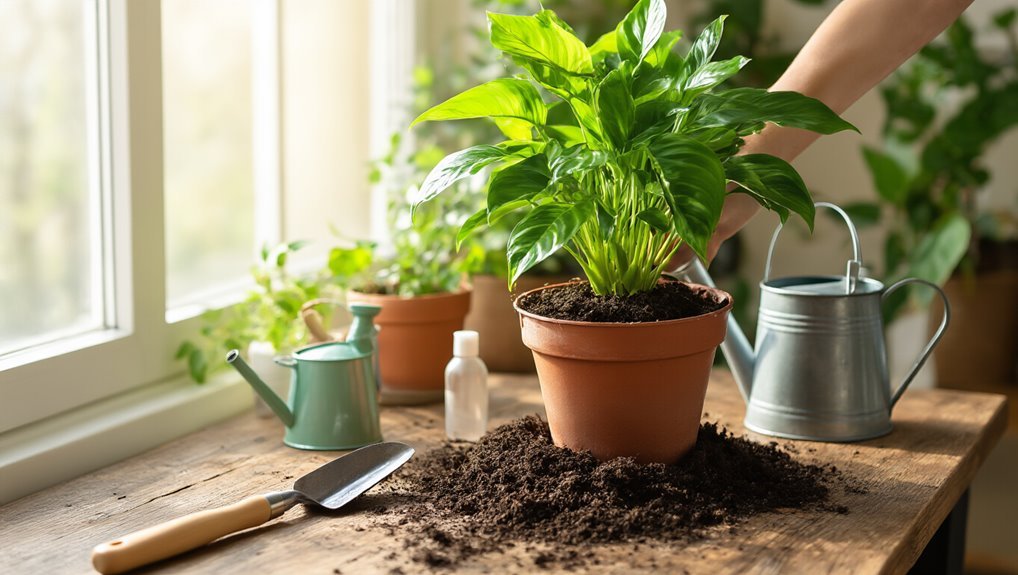
When should you consider repotting your houseplants? It’s time to repot when you notice signs of distress or growth limitations.
Keep an eye out for:
- Roots growing out of the drainage holes
- Stunted growth or yellowing leaves
- Soil that dries out too quickly
- Salt buildup on the soil surface
- A pot that feels too small for the plant
Repotting helps provide fresh nutrients and more space for your plant to thrive. If you’re also interested in outdoor gardening, using raised garden beds can offer similar benefits by giving your plants better soil and drainage.
Choose a pot that’s one size larger and use fresh potting mix. Gently remove the plant from its old pot, loosen any tangled roots, and place it in the new pot.
Water it well and give it some time to adjust to its new home. Using the right plant pots can also elevate your space while ensuring your plants have the ideal environment to grow.
Pruning and Maintenance Tips
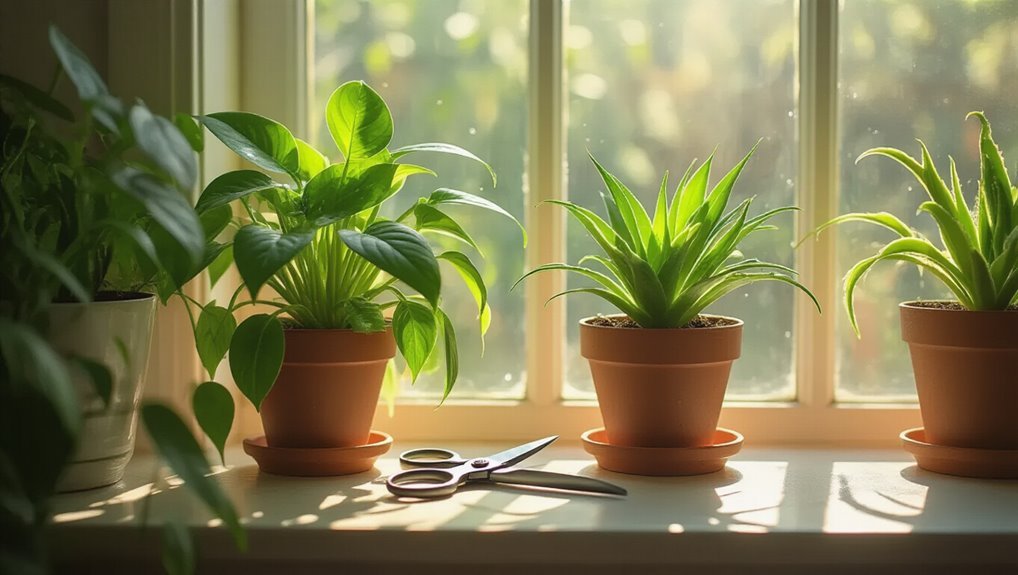
Although many people think of houseplants as low-maintenance, regular pruning and care are essential for keeping them vibrant and healthy.
Start by trimming dead or yellowing leaves to encourage new growth and improve appearance. Use sharp, clean scissors to make precise cuts, ensuring you don’t damage healthy parts.
Don’t hesitate to pinch back stems of leggy plants to promote bushier growth. Pay attention to pests; if you notice any, remove them promptly to protect your plants.
Finally, wipe down leaves with a damp cloth to remove dust, allowing them to absorb more light.
Creating a Plant Care Routine
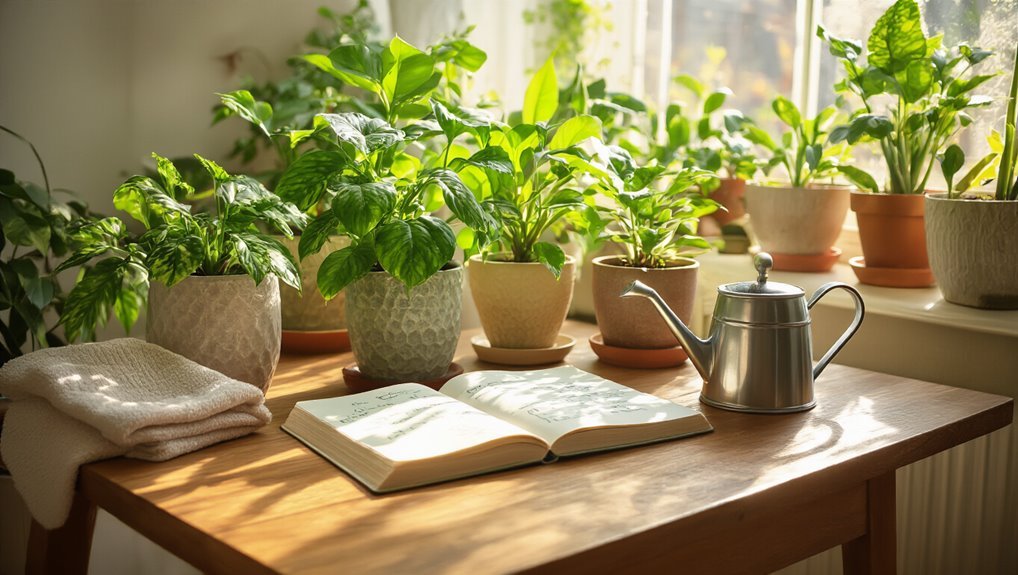
Creating a reliable plant care routine can make all the difference in keeping your houseplants thriving.
To ensure your plants receive the care they need, follow these essential steps:
- Water regularly: Check the soil moisture weekly; water when it’s dry an inch down.
- Dust leaves: Wipe leaves gently with a damp cloth to enhance photosynthesis.
- Fertilize: Use a balanced fertilizer during the growing season, typically spring and summer.
- Rotate plants: Turn your pots occasionally for even sunlight exposure.
- Monitor pests: Inspect regularly for signs of pests and take action promptly.
Frequently Asked Questions
Can Houseplants Improve Indoor Air Quality?
Yes, houseplants can improve indoor air quality! They absorb toxins and release oxygen, creating a healthier environment. By adding greenery to your space, you’ll enjoy fresher air and a more inviting atmosphere. It’s a win-win!
How Do I Choose a Pot for My Plant?
Choosing a pot’s like picking a soulmate—size matters! Make sure it’s got drainage holes, matches your plant’s needs, and, of course, reflects your impeccable taste. Who knew pot shopping could be so thrilling?
Are Certain Plants Toxic to Pets?
Yes, certain plants can be toxic to pets. It’s crucial you research plant varieties before bringing them home. Look for pet-safe options, and always keep potentially harmful plants out of reach to ensure your furry friends stay safe.
How Often Should I Check for Pests?
Studies show that 30% of houseplants harbor pests at some point. You should check your plants weekly for signs of infestations. Early detection helps prevent damage and keeps your indoor garden thriving and healthy.
Can I Grow Houseplants in Low Light?
Yes, you can grow houseplants in low light! Choose varieties like snake plants or pothos, and make sure to rotate them occasionally for even light exposure. Just be mindful of their specific care requirements.
Conclusion
Now that you’ve got the lowdown on houseplants, you’re ready to turn your home into a green oasis. Just remember, caring for plants isn’t rocket science—it’s more like riding a bike, with a few bumps along the way. Embrace the learning process, and don’t hesitate to experiment with different plants. With a little patience and love, your indoor jungle will thrive, and you’ll feel like the ultimate plant parent in no time! Happy gardening!