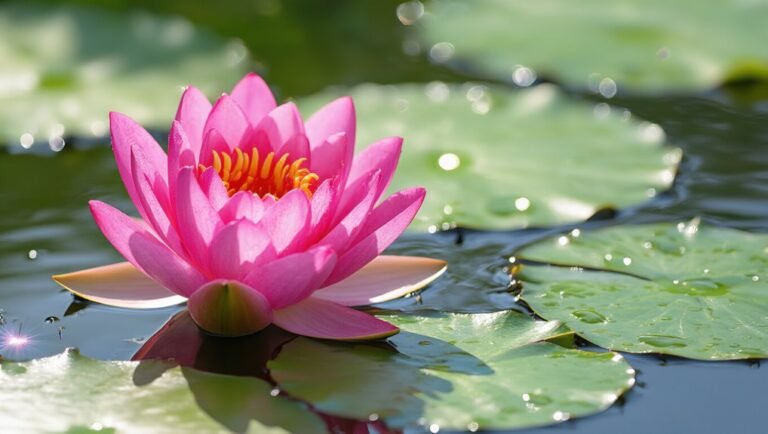
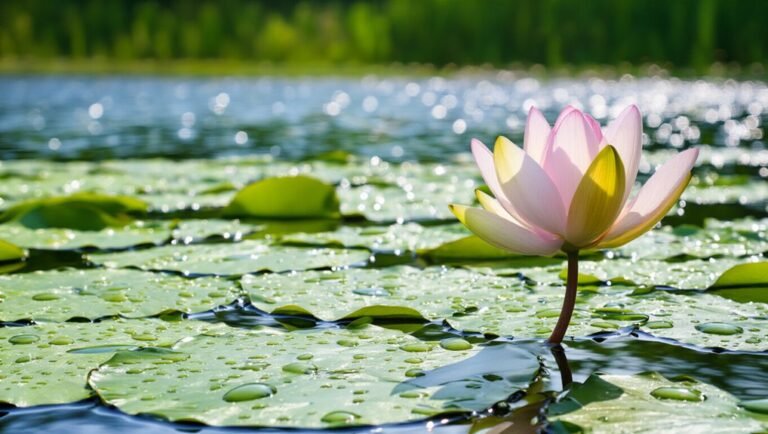
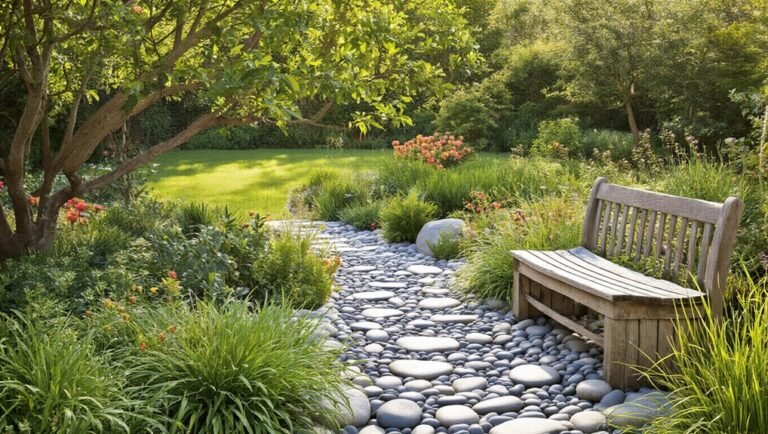
If you’re just starting out in flower gardening, knowing the right types can make your experience easier and more rewarding. Consider marigolds, sunflowers, zinnias, pansies, and cosmos for their hardiness and low-maintenance qualities. These flowers thrive with minimal care and bring vibrant colors to your garden. Remember, choosing the right location and caring for your plants is essential for success. Stay tuned to discover more about additional varieties and essential gardening tips to enhance your floral paradise!
Key Takeaways
- Start with easy-to-grow flowers like marigolds, sunflowers, and zinnias for a successful gardening experience.
- Flowers generally thrive in six hours of direct sunlight and well-draining, nutrient-rich soil.
- Regular watering, deadheading, and fertilizing promote healthy growth and vibrant blooms.
- Utilize basic gardening tools and resources for effective maintenance and support.
- Understand your local climate and flower preferences to choose suitable varieties for your garden.
What Every Beginner Should Know About Flower Gardening
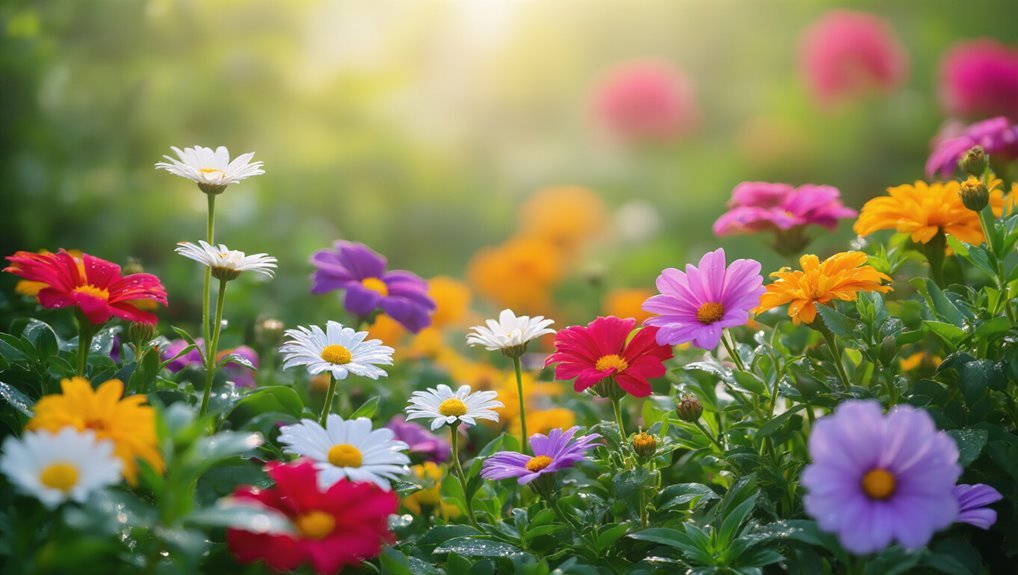
Flower gardening can be a rewarding hobby that transforms your outdoor space into a vibrant oasis. To get started, you’ll want to choose flowers that suit your climate and skill level.
Consider easy-to-grow varieties like marigolds, zinnias, and sunflowers; they thrive with minimal care and bloom beautifully.
Make sure to understand your watering needs—most flowers prefer consistent moisture but not soggy soil.
You’ll also benefit from knowing the basics of soil preparation, as healthy soil leads to thriving plants.
Don’t forget about seasonal planning; some flowers bloom in spring while others take the stage in summer or fall.
Finally, enjoy the process! Gardening isn’t just about the end result; it’s also about learning and connecting with nature.
How to Choose the Best Location for Your Flowers Based on Sunlight and Soil
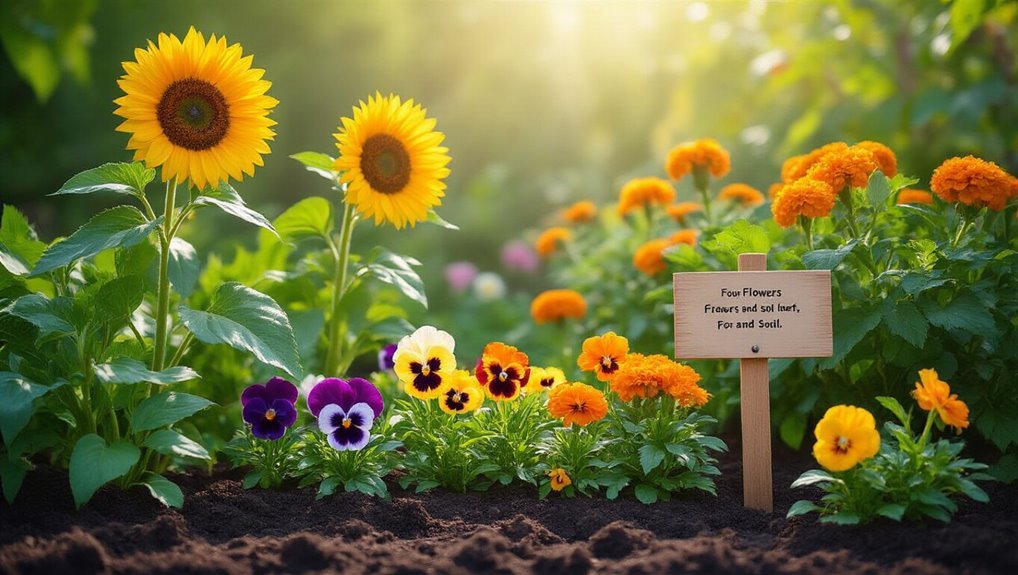
Where should you plant your flowers to ensure they thrive? First, assess the sunlight in your garden. Most flowers need at least six hours of direct sunlight daily.
Observe your space throughout the day to identify sunny spots and shady areas. Next, consider the soil. Flowers prefer well-draining soil rich in organic matter.
You can improve soil quality by mixing in compost or peat moss. Test the pH level, as some flowers prefer acidic, while others thrive in alkaline conditions.
Once you know your sunlight and soil conditions, choose flowers that match these requirements. This way, you’ll set your garden up for success, ensuring your blooms flourish and bring joy to your space.
1. Marigolds: Easy-to-Grow Hardy Blooms
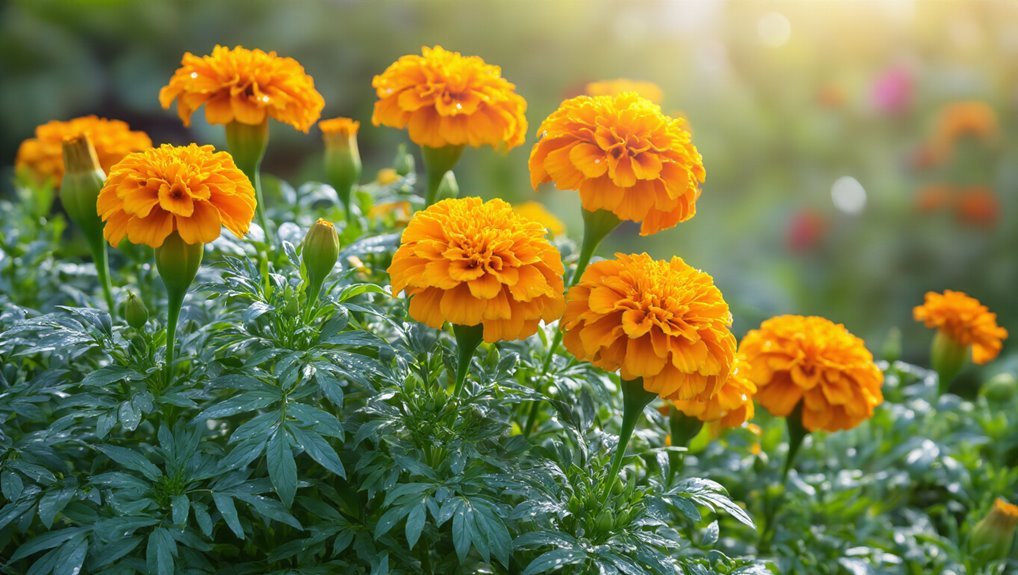
If you’re looking for a vibrant addition to your garden that thrives with minimal effort, marigolds are an excellent choice.
These hardy blooms come in various colors, including bright yellows and oranges, instantly livening up your space. They’re incredibly easy to grow, requiring just a sunny spot and well-drained soil. You can sow seeds directly into the ground or start them indoors.
Watering is straightforward; just keep the soil slightly moist without overwatering. Plus, marigolds are known for their pest-repelling qualities, helping to protect your other plants.
As they bloom throughout the summer, you’ll enjoy continuous color and beauty, making marigolds a perfect pick for beginner gardeners looking to boost their garden’s appeal effortlessly.
2. Sunflowers: Bright and Cheerful Additions
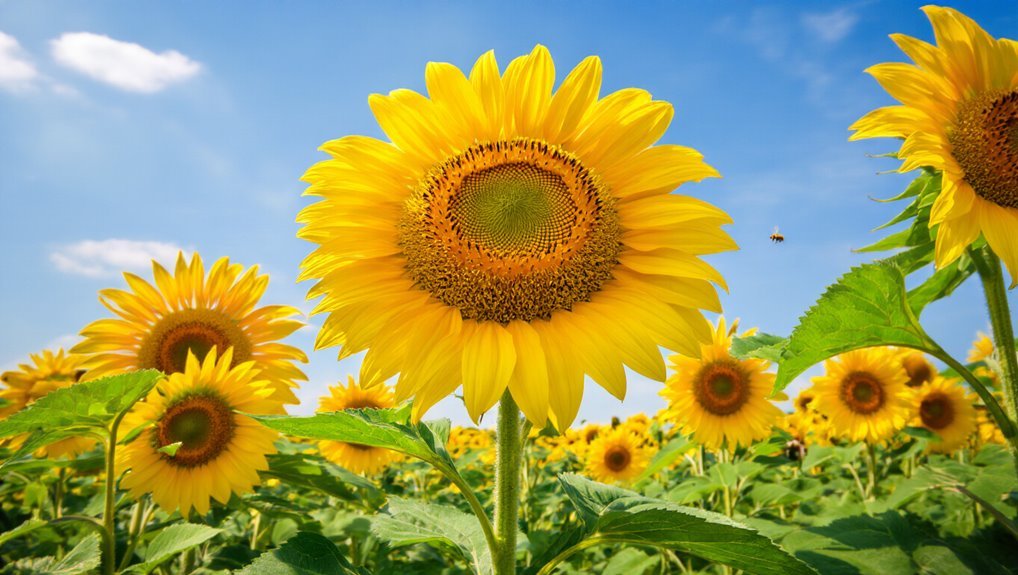
Sunflowers are a fantastic choice for any garden, bringing a splash of color and a sense of joy.
These vibrant flowers are easy to grow and thrive in full sunlight, making them perfect for beginner gardeners. With their tall stalks and large, cheerful blooms, sunflowers can brighten up any space.
They attract pollinators like bees and butterflies, promoting a healthy garden ecosystem. Plant them in well-drained soil, and watch as they reach for the sky.
Plus, they come in various sizes and colors, so you can choose the perfect type for your garden. Don’t forget to stake taller varieties to prevent them from toppling over in the wind.
Sunflowers truly are a delightful, low-maintenance addition!
3. Zinnias: Colorful and Resilient Options
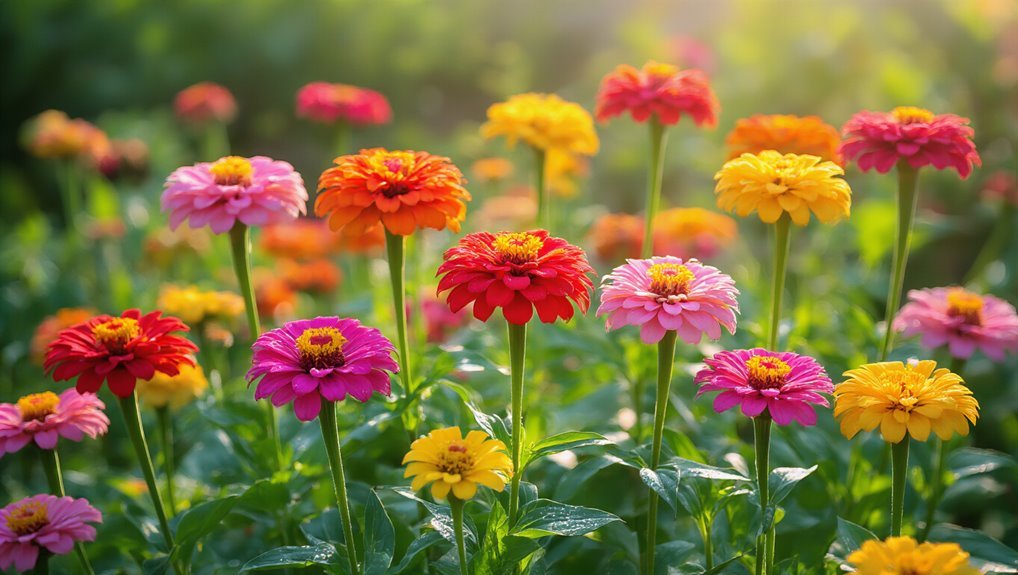
Zinnias are a vibrant choice for any beginner gardener looking to add a burst of color to their space.
These resilient flowers thrive in various conditions, making them perfect for those new to gardening. You’ll love their wide range of colors, from bright pinks to deep reds, which attract butterflies and hummingbirds.
Zinnias prefer full sun and well-drained soil, so choose a sunny spot in your garden. They’re also drought-tolerant, meaning you won’t have to worry too much about watering.
To encourage blooming throughout the season, deadhead spent flowers regularly.
Whether you plant them in beds or containers, zinnias will brighten your garden and boost your confidence as a gardener. Enjoy their beauty all summer long!
4. Pansies: Versatile and Vibrant Choices
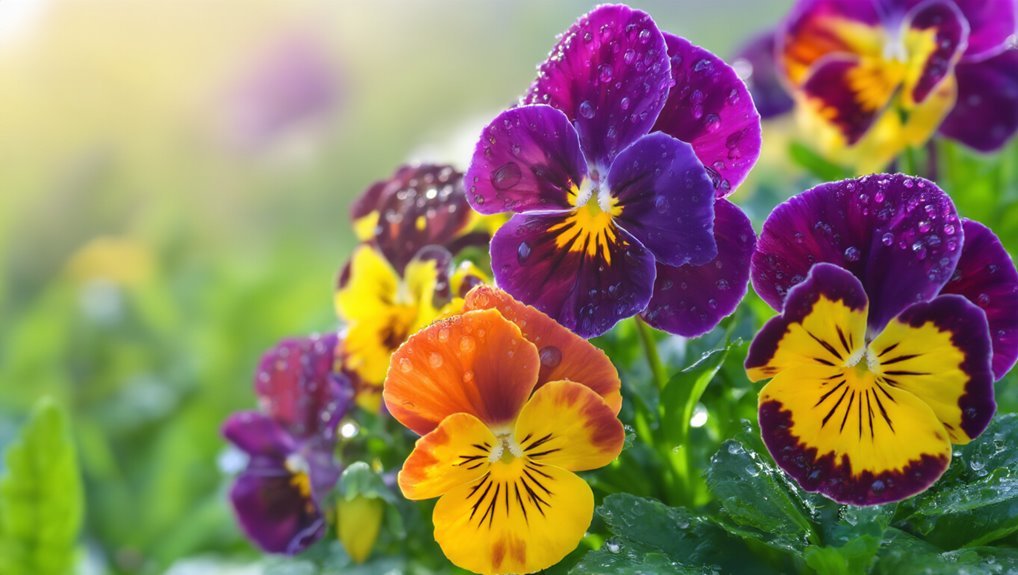
Pansies are a fantastic option for beginner gardeners seeking vibrant color and versatility. These cheerful flowers come in an array of hues, from deep purples to sunny yellows, making them perfect for brightening up any garden.
They thrive in cool weather, allowing you to enjoy their beauty in early spring and fall. Pansies are also adaptable; you can plant them in beds, borders, or containers.
They’re relatively low-maintenance, requiring just regular watering and a bit of deadheading to keep them blooming. Plus, their unique “face” patterns add charm to your garden.
Whether you’re creating a colorful display or adding a pop of color to your landscape, pansies are sure to impress!
5. Cosmos: Easy to Grow and Maintain
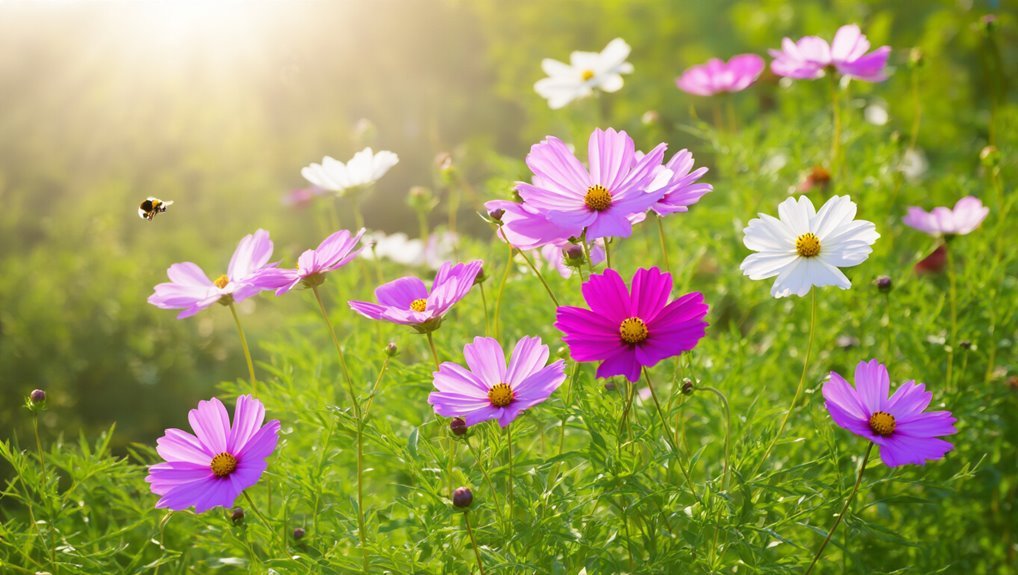
For beginner gardeners, cosmos are a fantastic choice, offering stunning blooms with minimal effort. These vibrant flowers thrive in full sun and well-drained soil, making them perfect for just about any garden.
You’ll love how they attract butterflies and bees, adding life to your outdoor space.
Plant cosmos seeds directly in the ground after the last frost, and watch them grow. They need little watering once established, and their resilience to drought means you won’t have to worry much about maintenance.
Plus, they come in various colors, from bright pinks to deep purples, ensuring your garden stays lively all season long.
With cosmos, you’ll enjoy a beautiful display without the stress of complicated care. Happy gardening!
6. Nasturtiums: Edible and Eye-Catching Blooms
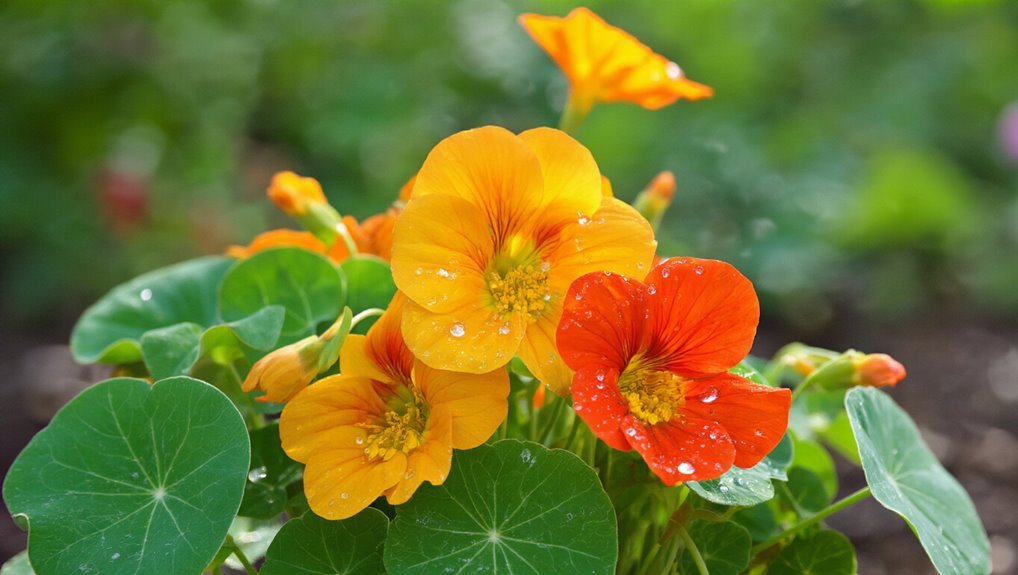
Nasturtiums are a delightful addition to any garden, combining vibrant colors with culinary versatility. These annual flowers bloom in shades of orange, yellow, and red, instantly brightening your space.
You’ll love how easy they’re to grow; they thrive in poor soil and require minimal care. Plus, they attract beneficial pollinators like bees and butterflies, enhancing your garden’s ecosystem.
What’s more, both the petals and leaves are edible, adding a peppery kick to salads and dishes. You can even use them as a garnish or in herb-infused oils.
Just remember to keep an eye on their growth, as they can spread quickly. With nasturtiums, you’ll enjoy beauty and flavor right from your garden!
7. Lavender: Fragrant and Low-Maintenance Flowers
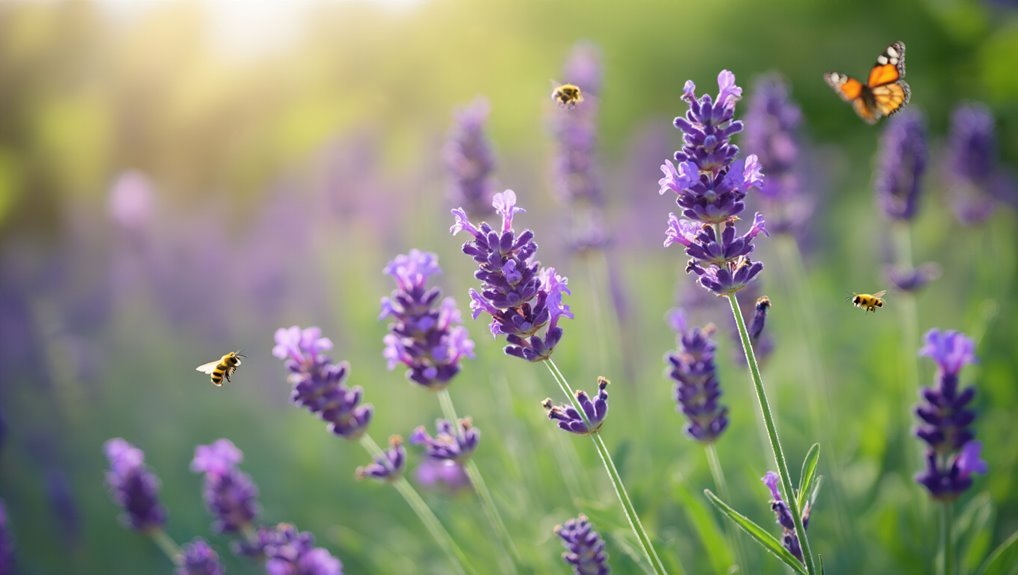
If you love the idea of adding fragrant blooms to your garden, lavender is a fantastic choice. Not only does it fill the air with a soothing aroma, but it also requires minimal upkeep.
This perennial plant thrives in sunny spots and well-drained soil, making it perfect for beginners.
Here are a few reasons to consider lavender:
- Versatile Uses: You can use it in cooking, crafting, or as a natural air freshener.
- Pollinator Friendly: Bees and butterflies are drawn to its vibrant purple flowers, supporting local ecosystems.
- Drought-Resistant: Once established, lavender requires little water, saving you time and effort.
With its beauty and benefits, lavender is sure to enhance your gardening experience!
Caring for Your Easy-to-Grow Flowers
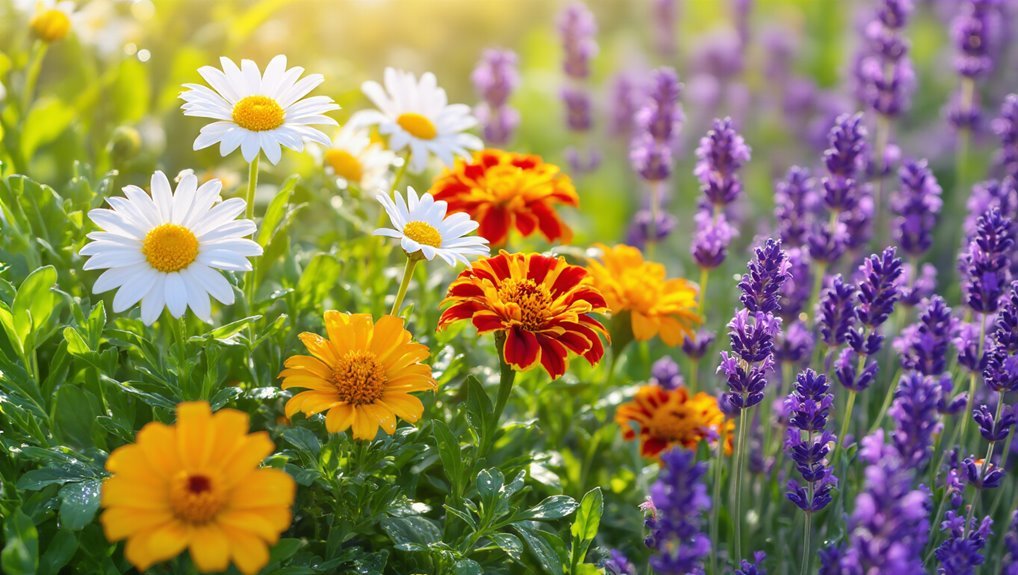
While cultivating easy-to-grow flowers can be rewarding, proper care ensures they thrive in your garden.
Start by choosing the right location with plenty of sunlight; most flowers need at least six hours of direct light daily.
Water your flowers deeply but infrequently to encourage root growth, and always check the soil moisture before watering.
Regularly remove weeds to reduce competition for nutrients and water.
Deadheading spent blooms helps promote new growth and keeps your garden looking tidy.
Don’t forget to fertilize during the growing season, as this boosts vitality and blooms.
Lastly, keep an eye out for pests and diseases—catching them early can save your plants.
With a little attention, your flowers will flourish beautifully!
Frequently Asked Questions
How Do I Prevent Pests From Damaging My Flowers?
To prevent pests from damaging your flowers, regularly inspect plants, maintain healthy soil, and encourage beneficial insects. You can also use organic pesticides and plant companion species that deter pests naturally. Keep your garden diverse!
When Is the Best Time to Plant Flowers?
The perfect time to plant flowers is like discovering a hidden treasure! Aim for spring after the last frost, or fall for hardy varieties. Timing ensures vibrant blooms that’ll make your garden the envy of neighbors!
Can I Grow Flowers in Containers?
Yes, you can grow flowers in containers! Choose the right size pot, ensure proper drainage, and select suitable soil. With adequate sunlight and regular watering, your container flowers will thrive beautifully throughout the season.
How Often Should I Water My Flowers?
You should water your flowers about once a week, but adjust based on the weather and soil moisture. If it’s hot or dry, check more often; your flowers will thrive with consistent attention.
What Are the Signs of Overwatering?
If you notice yellowing leaves, wilting despite wet soil, or mold on the surface, you’re likely overwatering. Check the drainage, and remember, it’s better to underwater than to drown your plants.
Conclusion
In flower gardening, starting with the right blooms is like planting the seeds of joy in your life. By choosing easy-to-grow flowers like marigolds and sunflowers, you’ll create a vibrant garden without the stress. Remember to consider sunlight and soil, and you’ll be well on your way to cultivating a beautiful space. With a little care and attention, your garden can blossom into a colorful haven that brings you happiness season after season.